The Wadden Sea World Heritage Summer School - Gustav Hvalkof Kristensen
Last summer, one of our students, Gustav Hvalkof Kristensen, participated in the Wadden Sea World Heritage Summer School and decided to tell us about his expirience there.
Introduction
This summer I participated in the 2nd Wadden Sea World Heritage Summer School, a transdisciplinary program organized by the Alfred Wegener Institute, FH Westküste University of Applied Sciences, the Waddenacademie, and the Common Wadden Sea Secretariat. The program brought together 16 international students, mainly representing the countries within the Trilateral Wadden Sea Cooperation of Denmark, Germany and The Netherlands. Participants study areas varied within the fields of Environmental Sciences and Tourism, however applicants did not have to specifically be studying these fields nor be from Wadden Sea countries, anyone with an inherent interest in the Wadden Sea ecosystem is considered.
Wadden Sea
 The Wadden Sea stretches from the northwest of the Netherlands, along the German coast, to the west coast of Denmark. It is the world's largest unbroken system of intertidal sand and mud flats, covering an area of about 11,500 square kilometres along a coastal strip of about 500 kilometres. This vast ecosystem is formed by the tides of the North Sea, creating a landscape that changes dramatically between high and low tide. The Wadden Sea is a crucial habitat for marine animals and serves as a stopover for migratory birds travelling between their breeding and wintering grounds, making it one of the most significant bird sanctuaries in the world. The area supports more than 10.000 species of plants and animals, including seals, fish, and birds, some of which are rare or endangered. In recognition of its biodiversity and ecological significance, parts of the Wadden Sea are designated as a UNESCO World Heritage Site. The Wadden Sea is also significant for human activities such as sustainable tourism, fishing, and shipping. However, conservation efforts are essential to maintaining the delicate balance of this unique ecosystem against threats like pollution, climate change, and habitat destruction (Common Wadden Sea Secretariat, 2025, under “Wadden Sea”).
Wadden Sea Day
The Wadden Sea Day in Wilhelmshaven is a joint initiative of the Common Wadden Sea Secretariat and the Lower Saxon Wadden Sea National Park Authority designed to raise awareness and disseminate knowledge concerning the preservation, governance, and research in the Wadden Sea area. This event assembled a diverse group of stakeholders, including scientists, conservationists, policymakers, and the public, to discuss key topics such as conservation, sustainable tourism, climate change impacts, and innovative conservation strategies within the UNESCO World Heritage Site (Common Wadden Sea Secretariat, 2025, under “Wadden Sea Day”).
Summer School Experience
 The program took us to 5 different locations across the Wadden Sea in Denmark and Germany, starting in Ribe (DK), to Vester Vedsted (DK), then Skallingen (DK), List on the island of Sylt (DE) and finally Wilhelmshaven on the last two days to participate at the Wadden Sea Day conference. The overarching theme and purpose of the program was “Wadden Sea Under Pressure – Solving Wicked Problems in Times of Climate Change”.
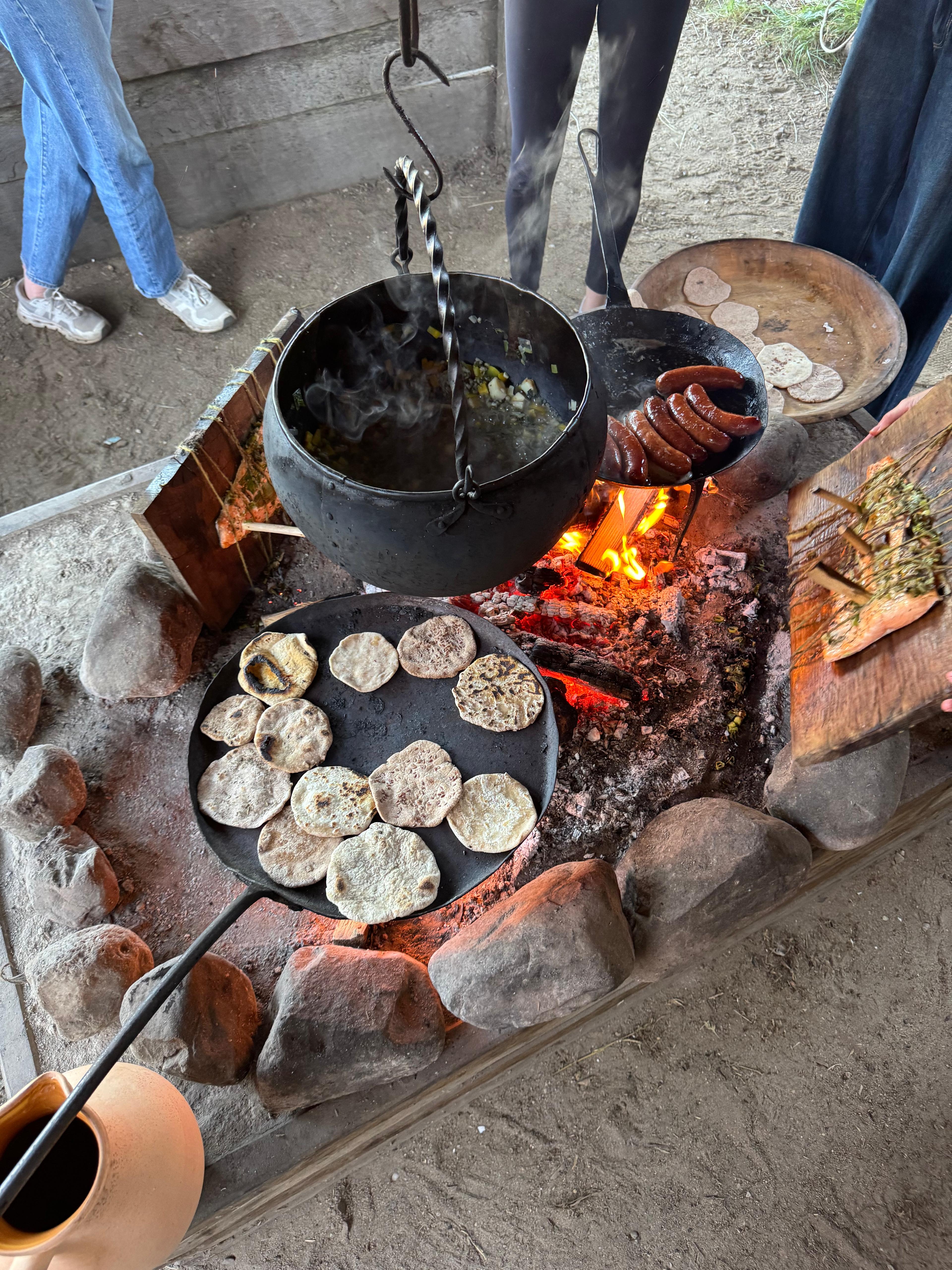
Each day started at 9am with either lecture, fieldwork, excursions to relevant sites, and group work on our designated assignments. Each day had a one-hour lunch break, short coffee breaks and would typically finish around 6pm. The first day we arrived in Ribe we had welcome speeches by members of the Common Wadden Sea Secretariat and faculty from FH Westküste and registered ourselves into our accommodation. Following was a team building exercise at Ribe Viking Museum, consisting of the group making a typical Viking meal.
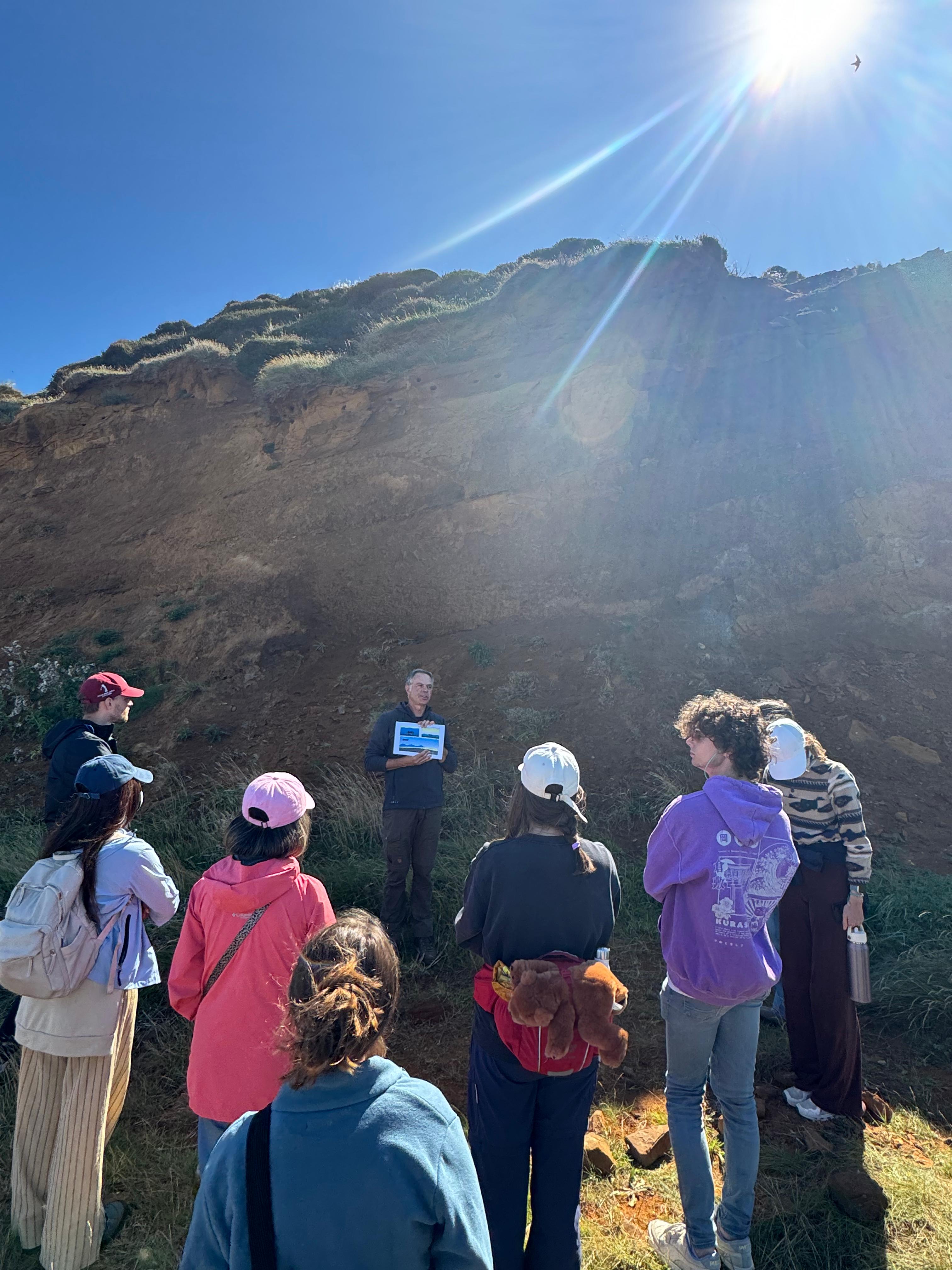
The following days consisted of lectures, group assignments and fieldtrips. One trip took us to the Wadden Sea National Park where we received an introduction to some of the ongoing research taking place on the Danish Wadden Sea coast. Another excursion to the Wadden Sea Centre in Vester Vedstedt, here we received a guided tour about the history of the Danish Wadden Sea and the Outstanding Universal Value (OUV) of the area. In between the lecture and guided tour participants were given an assignment in their case study groups and create a PESTLE analysis to then present to the other groups. Our final days in Ribe consisted of groupwork and a final excursion to Skallingen on the northernmost part of the Danish Wadden Sea were we received a lecture on the history and nature of this area from a local nature guide.
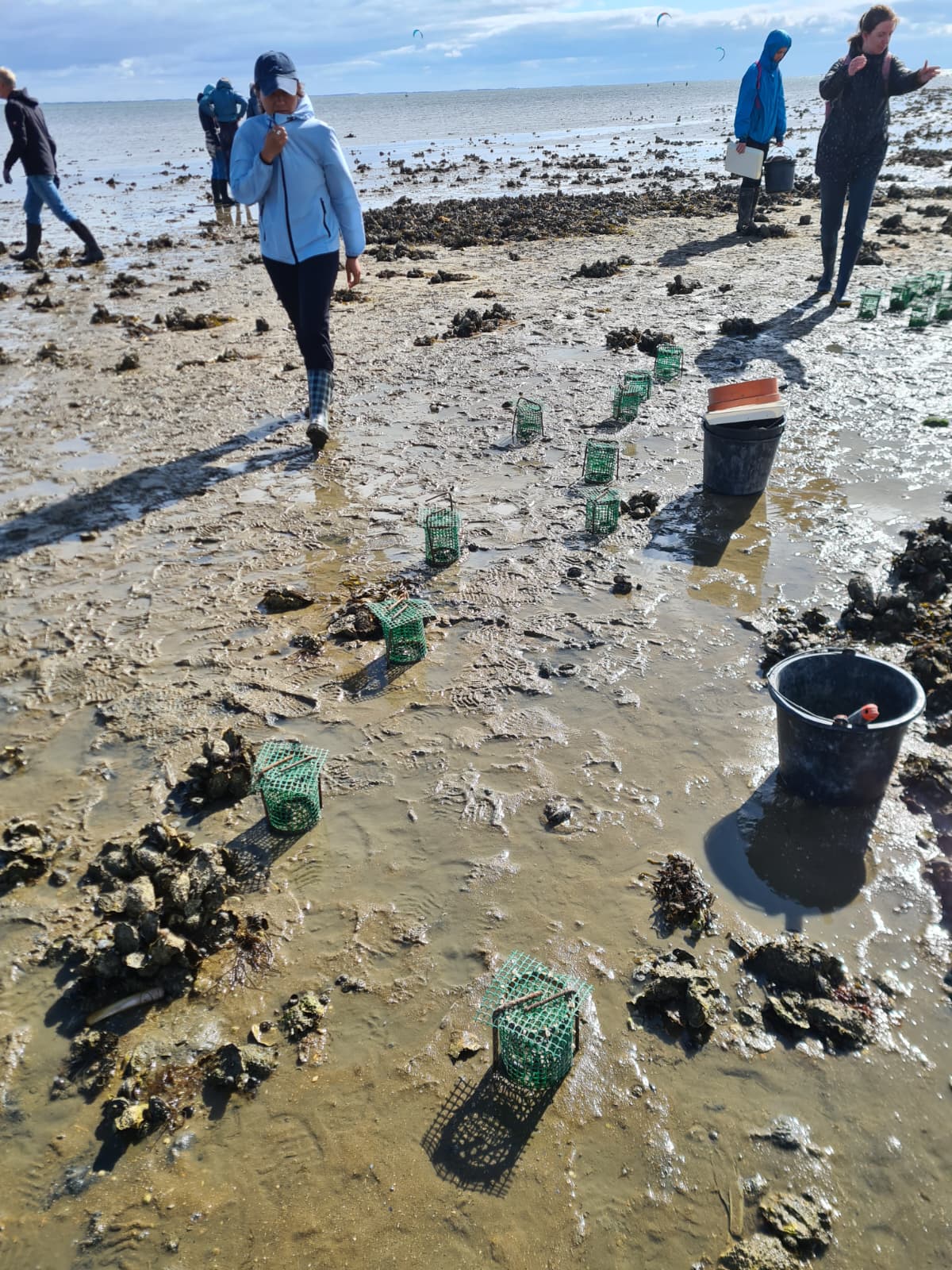
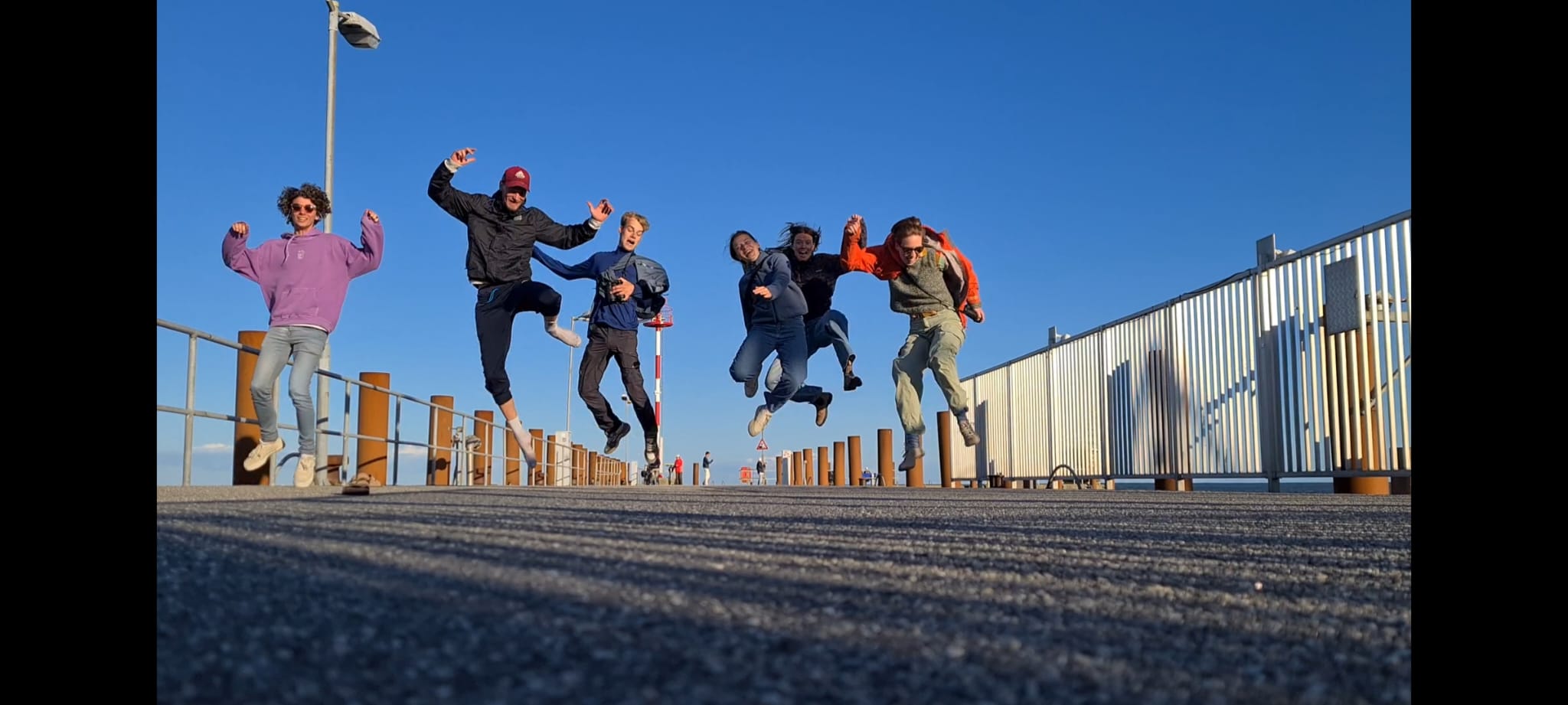 It was then off to the German island of Sylt where we stayed for 4 days, and days were filled again with lectures, groupwork and on-site experiments on the mudflats. Here we looked at various non-native species and how they react with the native species. The experiments explored the eating habits, interactions and the mobility of native periwinkle snails with the introduction of Australian barnacles (Austronminius modestus), here we collected 50 snails, 25 with barnacles present and 25 without. In my experiment we took the separated periwinkles and placed them in small cages on the mudflats with an abundance of algae (their food source), the next days we would come back to analyse the number of algae left in each cage to see if periwinkles eating habits differed when the non-native barnacles were present. By the end of the experiments each group presented their findings, and we discussed some of the theory behind each result.
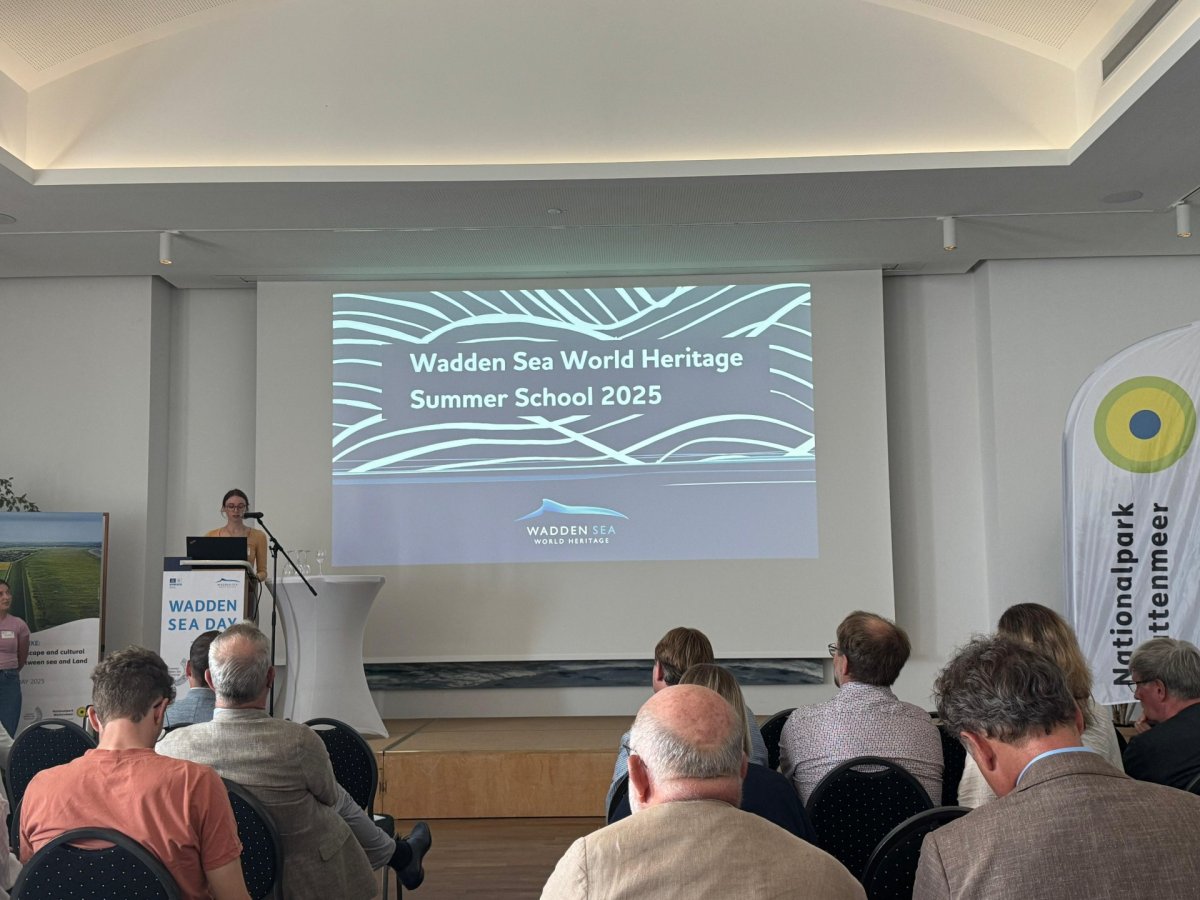
Finally, it was off to Wilhelmshaven in Germany to attend the Wadden Sea Day conference and present each of our three case studies. The day was met with stakeholders presenting their functions and projects along the Wadden Sea, followed by panel discussion with each presenter and questions from the participants.
Group Assignment
 As part of the program, we finished off the program by attending the Wadden Sea Day conference on the final day of the program and presented three case studies to the conference attendees, while also creating and preparing a scientific poster. Prior to attending the course an email was sent out to the participants regarding which case study they had been assigned to.
Case Studies
- Biodiversity
- Tourism
- Climate Change
I was selected to be part of the biodiversity case study; the aim of this case study was to:
- Explore how introduced (non-native) species might influence the biodiversity and ecological functions of the Wadden Sea. Estimate the scale of potential impacts.
- Discuss whether changes in biodiversity are simply a natural part of ecosystem evolution or if human influence has shifted the balance.
- Develop a shared position on how society should respond to the introduction of non-native species.
- Design an engaging concept to explain to Wadden Sea visitors how new species are changing the system.
Reflections
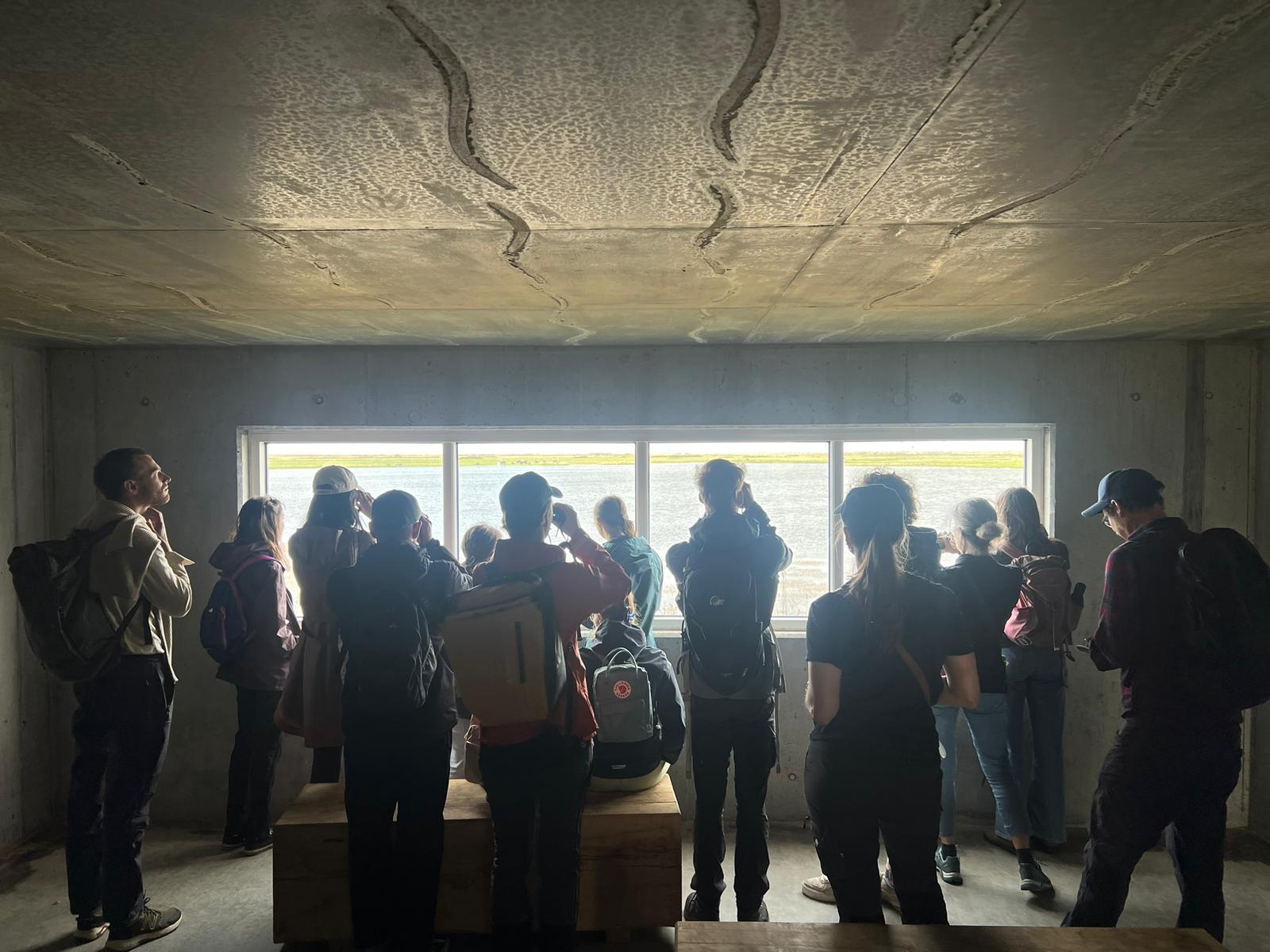 This was the third summer school I have attended this year and possibly the most enriching, mostly due to my own personal interests and experience around the Wadden Sea area, but also due to the excellent blend of professionals, lecturers and researchers that we got to interact with during the two weeks. It was a hectic and intense schedule; however, the fieldtrips and experiments gave us all some much-needed fresh air in between lectures as well as firsthand experience about life on the Wadden Sea.
The organisers from the Wadden Sea Secretariat, FH Westküste University of Applied Sciences and Alfred Wegener Institute did a fantastic job of ensuring our professional and personal needs were met while making it an enriching experience. I met like-minded and motivated individuals throughout the 10 days who engaged well with one another and were curious about how we can protect the Wadden Sea in the future.
References
Common Wadden Sea Secretariat. (2025). Wadden Sea World Heritage Summer School 2025 handbook. https://www.waddensea-worldheritage.org/wadden-sea-day-2025