Eldri verkefni
Green Energy Meets Blue Food (2024-2025)
Nordic countries have set up ambitious climate and energy targets and offshore renewable energy will play a key role in enabling the green transition in the Nordic Region. The European Green Deal underscores at the same time the importance of minimal harm to the environment and the contribution to nature conservation, with for example the EU Biodiversity strategy 2030 including more ambitious targets for protecting marine areas. Furthermore, our seas in the Nordic Region are also an increasingly important resource for food supply.
Offshore renewable energy, not least wind energy, is crucial for the green transition in the Nordic Region but its expansion poses challenges such as conflicts over space. Hence, there is an increasing need for enabling enhanced coexistence with other sectors, not least with blue food sectors such as fishing and aquaculture. Governance frameworks, in particular marine spatial planning, are crucial for managing conflicts, promoting collaboration, and for enabling possibilities for sustainable coexistence at sea.
The Nordic Council of Ministers have initiated several projects to address sustainable marine economy and coexistence issues. The “Green Meets Blue project”, financed by the Nordic Council of Ministers for Fisheries, Aquaculture, Agriculture, Food and Forestry (NCM FJLS) and running for two years (2024-2025), aims to contribute to a common knowledge base for the Nordic countries, by contributing with an increased understanding of sustainable coexistence between renewable energy (focusing on offshore wind energy) and marine food sectors (focusing on fisheries and aquaculture).
The project will give better insights on how Nordic countries and self-governing territories in the Nordic Region can effectively tackle potential conflicts between the green and blue sectors, promote synergies and better enable cooperation and collaboration. The project seeks to investigate existing conditions on how trade-offs, conflicts and synergies are managed between these sectors within marine spatial planning frameworks from a governance perspective and in a Nordic context.
Questions the project will try to address are:
-How are coexistence conditions between offshore wind energy and marine food sectors described in existing research, including their interactions?
-How are conflicts and synergies between these sectors currently addressed in Nordic marine planning systems?
-How have conflicts and synergies been managed in different geographical settings in the Nordic region from a governance perspective, particularly in marine spatial planning?
-What lessons can be drawn from the experiences of different Nordic countries and regions regarding policy frameworks and governance mechanisms to handle conflicts and promote collaboration between offshore wind energy and marine food sectors in marine spatial planning?
We will conduct a thorough literature and policy review to identify trends, conflicts, and synergies, alongside defining key concepts and case study areas. Through case studies across varied geographical locations, the project examines governance practices related to managing the coexistence of offshore wind energy with marine food sectors. A series of workshops planned for 2025 aims to engage stakeholders from the Baltic Sea, North Sea, and North Atlantic regions, facilitating discussions on governance challenges and solutions for sector coexistence from local to cross-border levels. The project will disseminate its findings, through case study story maps, policy briefs and recommendations, to further improve the sustainable coexistence in Nordic seas.
Local knowledge in Marine Spatial Planning, green transition and digital transformation (2024-2025)
The Nordic Region is undergoing significant transformations driven by environmental changes, digital transformations, and evolving socio-economic landscapes. As renewable energy from marine sources grows in importance and oceans remain vital for food supply, achieving a sustainable blue economy, in line with the European Green Deal and climate targets, requires careful balancing.
The rapid digital transformation, while offering opportunities, also risks sidelining local knowledge that is crucial for sustainable, inclusive, and coherent blue and green growth. This project, Local Knowledge in Marine Spatial Planning, green transition and digital transformation, aims to support the development of a sustainable ocean economy in the Nordic countries and their North Atlantic neighbours through more inclusive marine spatial planning (MSP) processes. By integrating diverse knowledge sources, the project seeks to contribute to a fair and just green transition, ensuring that local communities and a range of stakeholders are part of the decision-making process.
Inclusive, fair, and sustainable transition in MSP
The primary aim of the project is to promote a more inclusive, fair, and sustainable transition in the marine spatial planning domain, with a particular focus on coastal communities in the North Sea and Atlantic regions. Specifically, the project seeks to:
- Enhance cross-border knowledge-sharing across the Nordic Regions and remote areas of the North Atlantic, especially with Scotland.
- Examine the role of local knowledge and data in marine spatial planning, and address challenges linked to their inclusion in an increasingly digital context.
It will explore mismatches between national data needs and local knowledge requirements, assess challenges and opportunities from the digital transition in MSP, and examine data use, sharing processes, and gaps in knowledge access. This will ensure that local knowledge is effectively integrated into MSP in a digital context.
Integrating knowledge for sustainable coexistence
The project focuses on how to better integrate a diverse range of knowledge into MSP also to support sustainable coexistence at sea. Key questions include:
- What challenges have North Atlantic countries faced in incorporating local knowledge and data into MSP?
- How is local knowledge reflected in MSP outputs, especially in relation to balancing marine renewable energy and blue food industries?
- What factors, including digitalisation and AI, can enable the integration of local knowledge in MSP to promote collaboration and sustainable coexistence?
Methods and outcomes
The project will assess current practices, explore data challenges, and engage with stakeholders through cross-border knowledge exchange. Workshops will bring together regional stakeholders to share insights on how digitalisation can support the inclusion of local knowledge in MSP processes. The project outcomes will be communicated through policy briefs and other publications.
By focusing on the role of local knowledge in planning and governance, the project will contribute to ensuring that different sectors can coexist sustainably, benefiting both ecosystems and coastal communities.
Climate Change Resilience in Small Communities in the Nordic Countries (2021-2023)
 CliCNord is funded by Nordforsk and examines how small rural communities understand their own situation in the face of climate change, how they handle adverse events and build capacity, and under what circumstances they need help from the established system and civil society organisations.
Case studies explore different hazards affecting local communities across the Nordic countries as a direct consequence of climate change, including coastal flooding due to storm surge, cloudbursts, wildfires, temperature extremes, landslides, slush avalanches, flash floods, and storms. The UW partner is Matthias Kokorsch, who is leading the Icelandic case study focused on avalanches.
ReMERci (2021-2023)
This project is funded by the Fondation de France and is a collaboration between UW and the University of Bretagne Occidentale. The project aims to document and explore local perceptions and experiences with marine space in terms of how people form identities association with the seaspace, and what this means for adaptations to future challenges regarding developments in marine space.
Víslenska
Víslenska er verkefni hjá Háskólasetrinu sem snýr að því að halda íslenskunámskeið fyrir erlenda vísindamenn á Íslandi með því markmiði að auka vísindalegan orðaforða og samskiptafærni þeirra og stuðla í leiðinni að aukinni faglegri íslenskunotkun.
Sustainable Resilient Coasts (2020-2023)
 UW is a support partner on the COAST project funded by the European NorthernPeriphery and Arctic Program, with the project leads from the Agricultural University of Iceland and University of Iceland. In this capacity, UW hosts PhD student Maria Wilke from the Agricultural University of Iceland. Her role in the COAST project is to explore ways to support and empower remote coastal communities in environmental decision-making. Her research interests lie in environmental education and community engagement into marine management processes. The Westfjords are currently one of the chosen sites of coastal and marine planning by the National Planning Agency. She will engage with the municipalities and community members across the Westfjords to stimulate a wide-spread public participation and discussion of sustainable ocean use.
Living on the edge (2022)
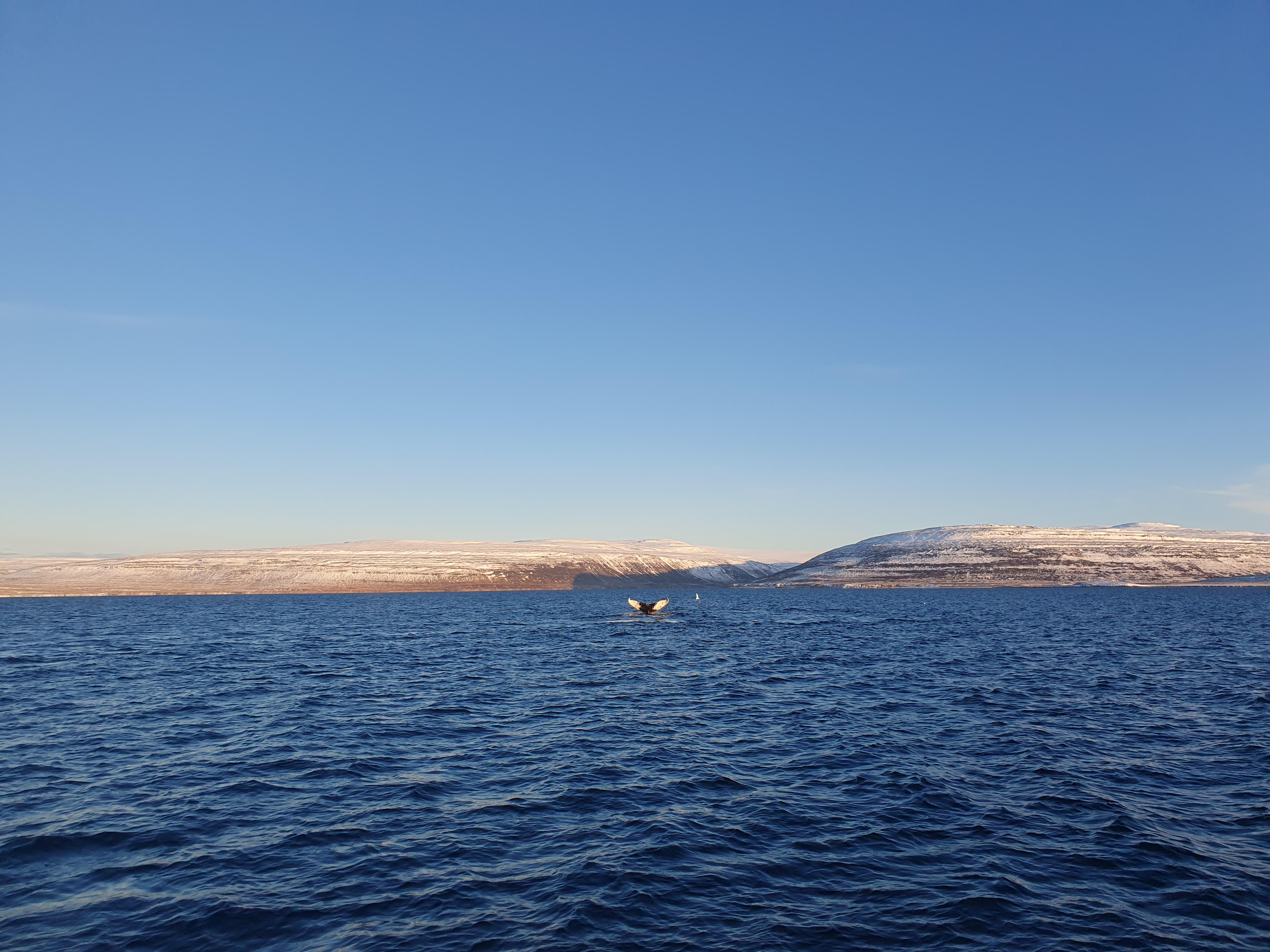 This is an NPA (Northern Periphery and Arctic Programme) pre-application award between North Atlantic museums and research institutions that aims to explore historical evidence of past marine regime shifts in order to better understand management strategies for the future. The UW partners are Dr. Catherine Chambers and Dr. Lara Hogg.
Rekaviður (2020-2022)
 Rekaviður, A Call to Action was a project funded by the Rannís Climate Change Fund and focuses on the history, ecology and culture surrounding driftwood in Iceland. It is lead by the Kollektiv Lichtung in partnership with NES Artist Residency in Skagaströnd. UW partner Catherine Chambers served as an academic advisor to the project. The project produced a documentary about driftwood and the logical connections between driftwood and climate change. Check out the documentary, interviews, and other material produced on the project's website.
SUSCULT (2020-2021)
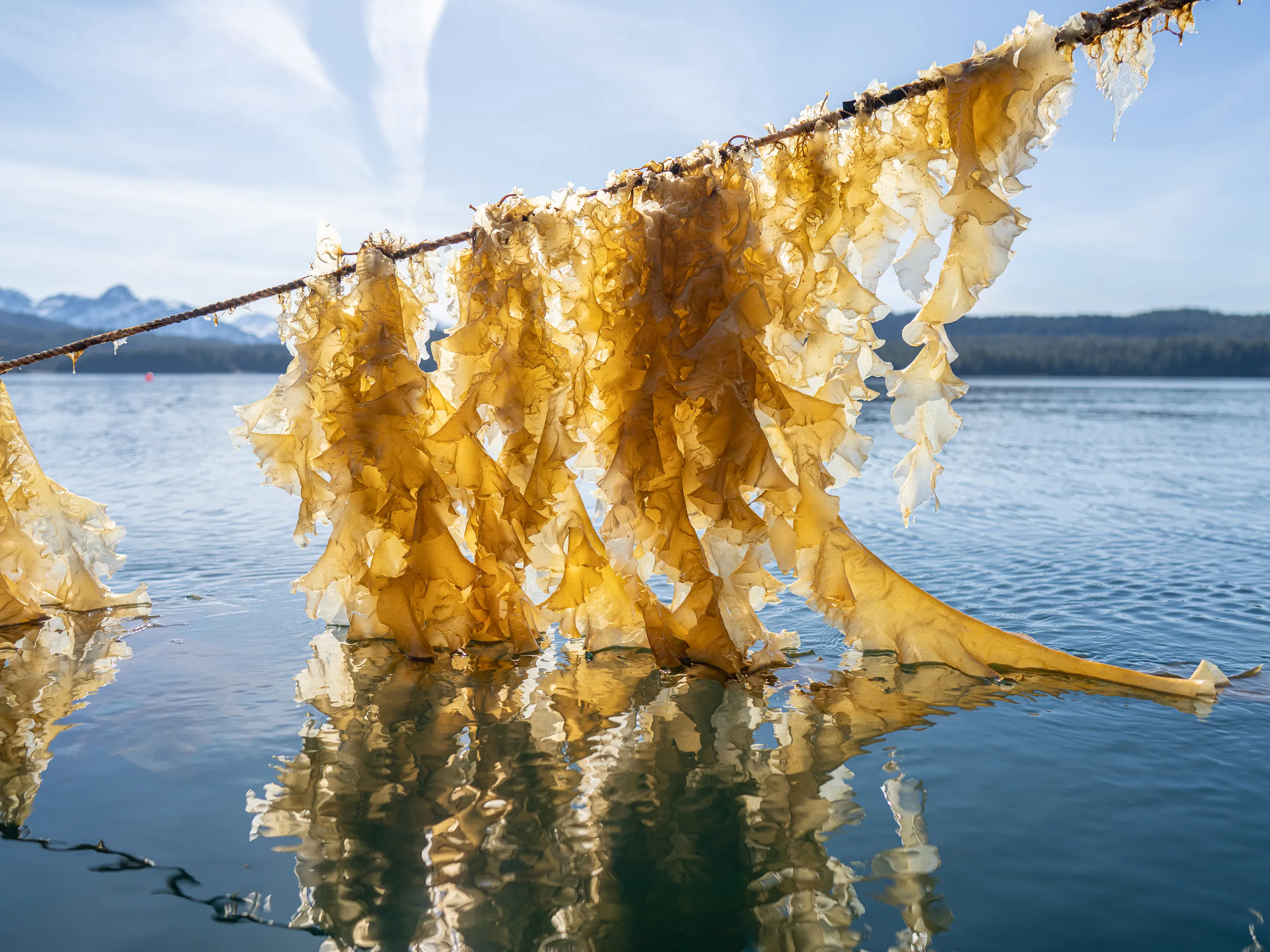
The project, funded by the Nordic Council of Minsters, explored the potential of seaweed cultivation in the Nordic region based in literature research and by conducting small-scale tests. SUSCULT was led by the Finnish Environmental Institute and included partners from Denmark, Estonia, Iceland, Norway and Sweden. In each area, partners set out small-scale cultivation tests focused on the low-tech solution of putting out substrate (lines) to see what and how much seaweed would naturally settle. This is in contrast to what is generally done in seaweed cultivation, which is seeding the lines in a laboratory. The UW team of SUSCULT was lead by Dr. Catherine Chambers, research manager, and involved two UW students, Kerstin Frank and Nick Hoad, who worked as interns on the project, and UW Alumnus, Justin Brown, who worked as a research assistant in cooperation with Eldey Aqua, a local seaweed start-up company.