Reflecting on the course Aquaculture, Environment and Society: Exploring the many facets of aquaculture
Over the past weeks, students at the University Centre of the Westfjords have been taking a closer look at one of today’s most talked-about topics in coastal development through the course Aquaculture, Environment and Society.
The course explored the many connections between aquaculture production, environmental systems, and societal development. Along the way, students were introduced to different aquaculture technologies and production methods, while also examining the environmental and social questions that surround the industry.
A central theme of the course was the ongoing and often lively debate around fish farming in Iceland. Through lectures and discussions, students reflected on important questions of governance, public participation, and fairness. Who gets a say in decision-making? How should taxation be structured? And is truly sustainable aquaculture possible? These were among the issues explored throughout the course.
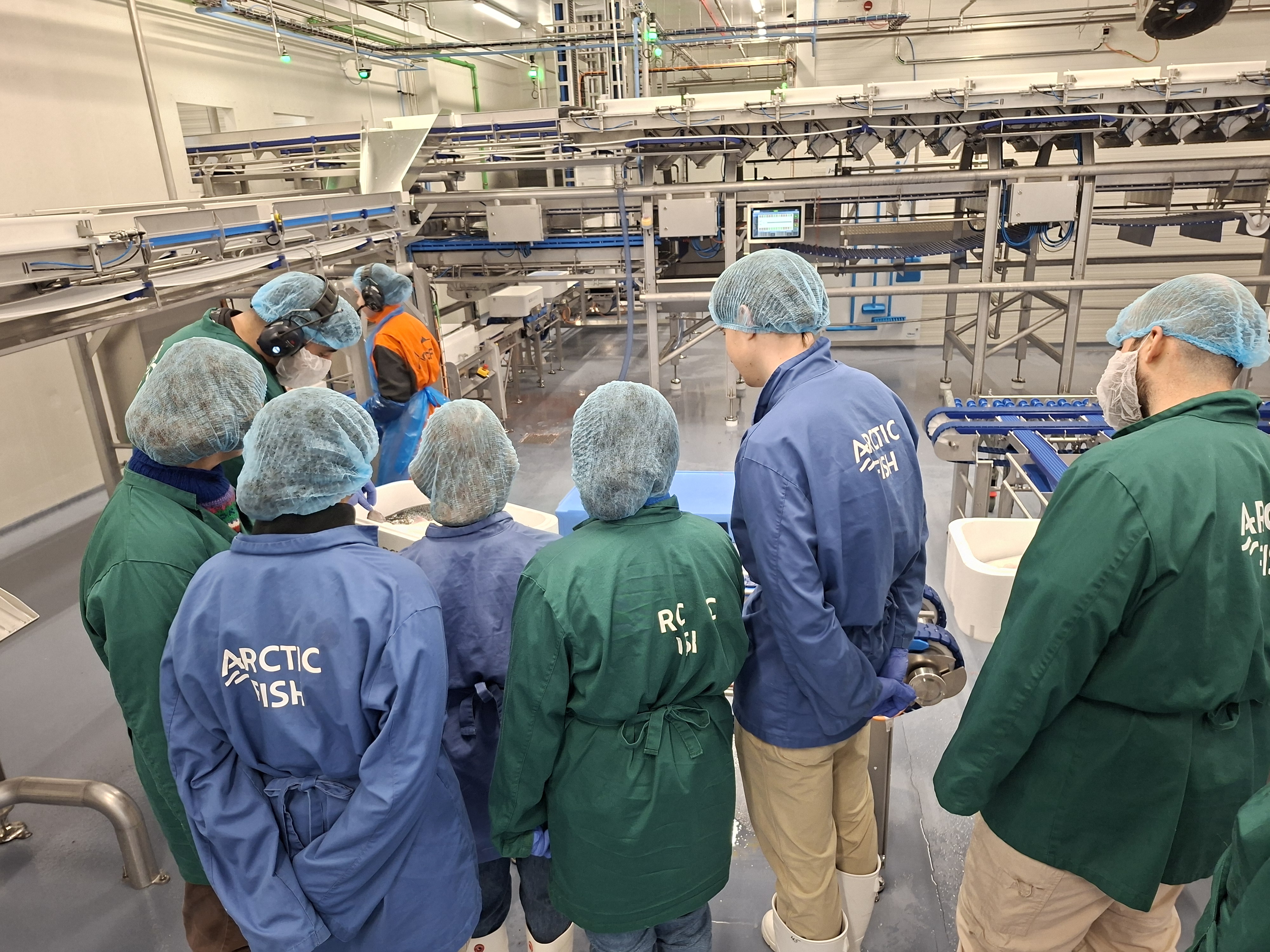
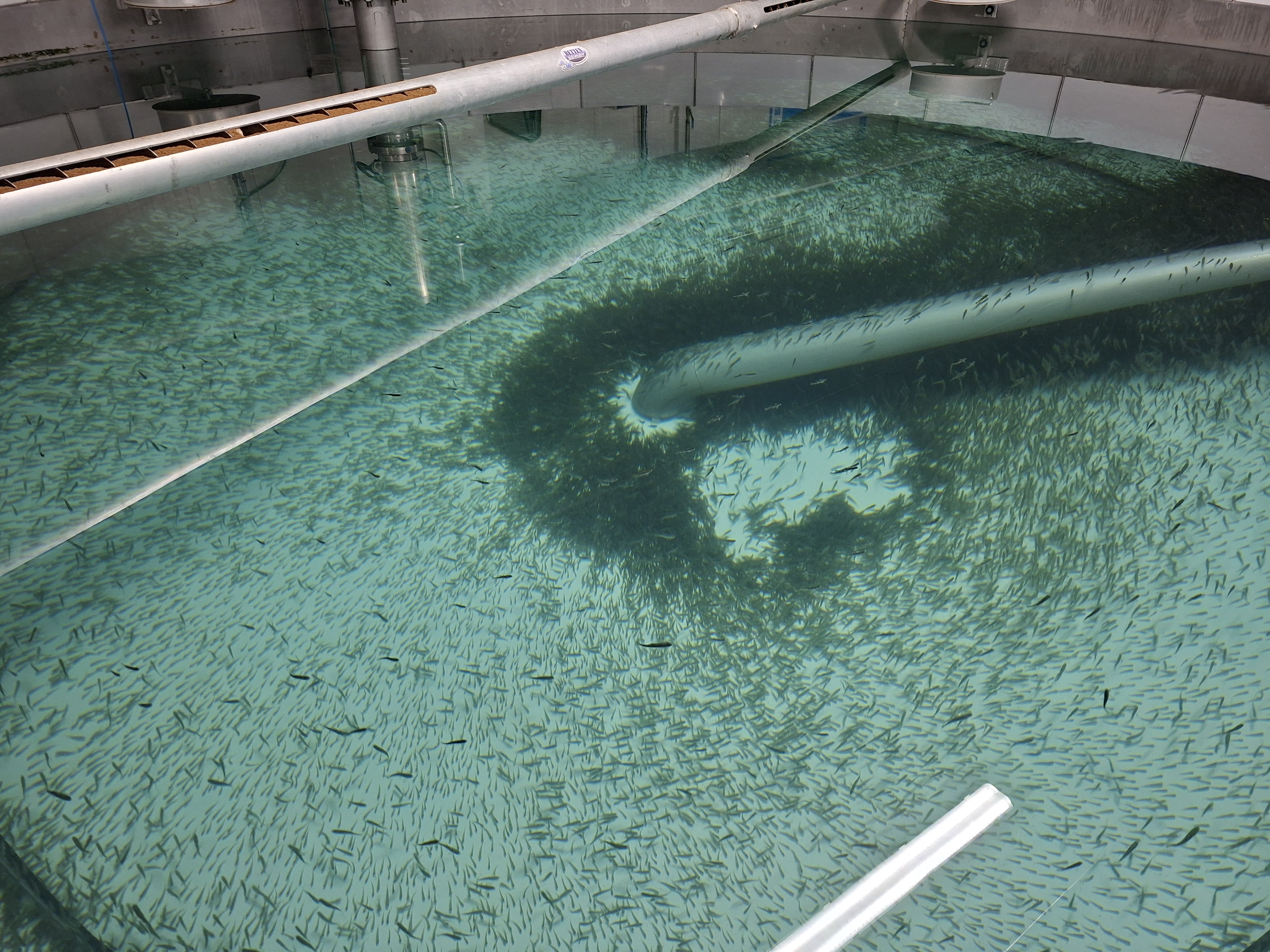
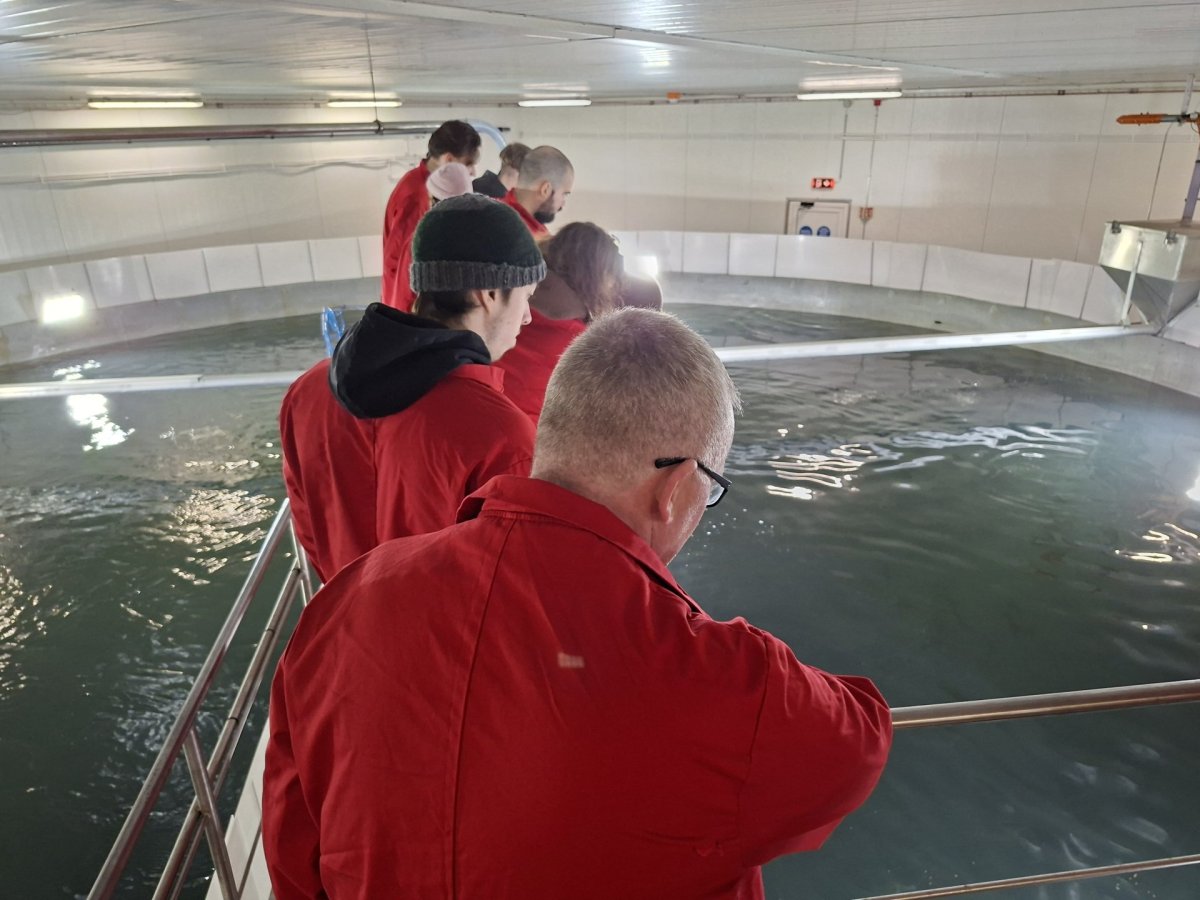
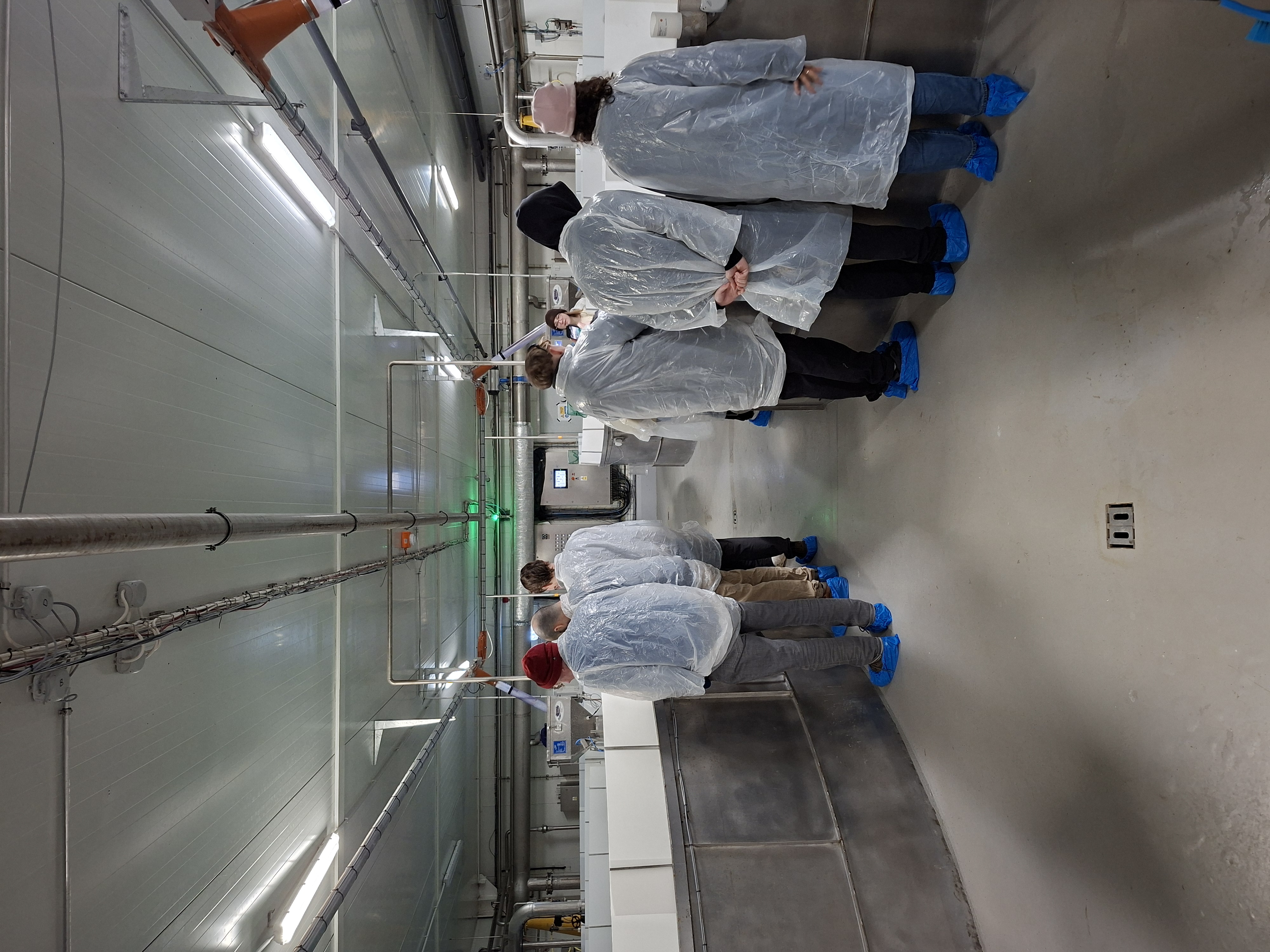
Teaching combined classroom learning with hands-on experience. Field trips to the Southern Westfjords gave students valuable insight into communities where aquaculture has played a role in economic and demographic revitalisation. They also had the opportunity to follow the full life cycle of farmed salmon, from smolt to harvest, helping them build a broader understanding of the industry in practice.
Guest lectures from regional stakeholders added further depth to the course by bringing practical perspectives on development and planning into the classroom. The course also benefited from the openness of Arctic Fish, whose team welcomed students to their facilities and took part in transparent and informative discussions.
The course was taught by aquaculture specialist Peter Krost, who brought extensive international industry and research experience, and co-taught by me, Matthias Kokorsch, but my research focuses on the societal dimensions of community development in Iceland. Together, we offered students a balanced and critical perspective on aquaculture in a contemporary context.