
Hér má nálgast námskeiðslýsingar allra námskeiðanna sem í boði eru. Einnig má sjá skipulag námsins í sameiginlegri kennsluáætlun Sjávarbyggðafræði og Haf- og strandsvæðastjórnunar.
Námskeiðin uppfylla kröfur ýmissa stéttarfélaga um námsstyrki. Vor- og sumarannir eru tilvaldar fyrir háskólanemendur sem vilja stytta námstímann í reglubundnu námi.
Fyrirspurnir sendist á kennslustjóra Háskólaseturs.
Navigation, Shipping and Offshore Activities in the Arctic
- Summer 2027
- Kennari: Dr. Julia Olsen
Um námskeiðið
The reduction of Arctic Sea ice creates increased opportunities for shipping and offshore maritime industries. This course uses the developments in the Arctic as a basis for providing an interdisciplinary introduction to shipping and offshore activities, involved stakeholders, institutions and third-party services. The course will explore how shipping and offshore activities affect coastal communities and management of maritime industries. Examples from the Arctic will provide context and serve as a basis for comparison for global trends. Students will gain a deeper academic understanding of how environmental, socioeconomic and political drivers have impacted offshore activities such as shipping, navigation, port operations, offshore petroleum, seabed mining, power and telecommunications, and local community’s socio-economic development.
Kennari
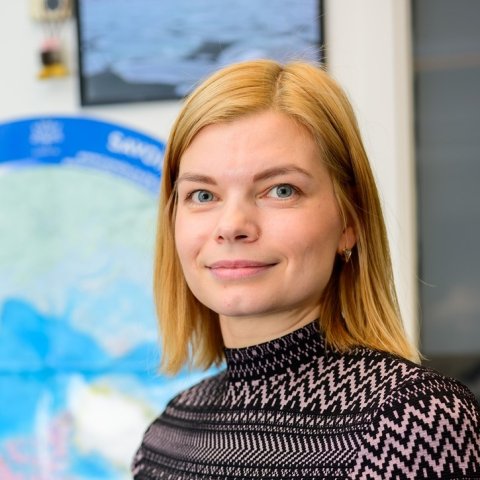
is an associate professor in Environmental sociology at Nord University, Bodø. Her research is dedicated to the sustainable development of the Arctic region, focusing specifically on human-nature relations in the context of shipping and tourism development, climate change and pollution. She is involved in research projects that examine pollution in the Arctic, tourism management, environmental governance, and the circular economy practices.
Kennsluskrá
On completion of the course a student:
- can identify basic international, national, and regional organizations, laws, treaties, and regulations governing navigation, shipping, and offshore activities.
- has awareness of management practices for industries operating at sea.
- has an understanding of on-shore and off-shore infrastructure (harbors, communication, services) and third-party services (meteorological, communication, Search and Rescue).
- can analyse key academic literature and identify the state of affairs today (economic, political, environmental, social) related to shipping navigation, and offshore activities.
- can identify and analyze main factors that may affect the future of shipping and offshore activities in the Arctic.
Prerequisites: No prerequisites registered for the course
Assessment: 50% written assignment; 50% group assignment
Final Exam: Assignment