
Here below you can find all master courses the University Centre offers. All courses are taught in 1-3 week modules running from August through June. See how the courses are organised in the teaching schedule for both programs. Usually 2-3 courses are taught at the same time, but students may only enroll in one course at a time.
The master courses are available to you whether you plan to pursue a degree or just take a course or courses. Please review the options for guest studies to determine how you can apply.
For further information, contact the Administrative Director of Education and Teaching.
Sustainable Local Economies
- Autumn 2026
- Instructor: Dr. Emil Sandström
About the course
This course discusses challenges and solutions for rural and remote communities in a globalized economy. Strategies for economic diversification and resilience building are presented. Different economic systems and the role of governing bodies and institutions, as well as economic tools and policies are covered in this course. The course builds on classic economic theories as well as innovative concepts and combines theoretical elements and practical examples for sustainable economic development.
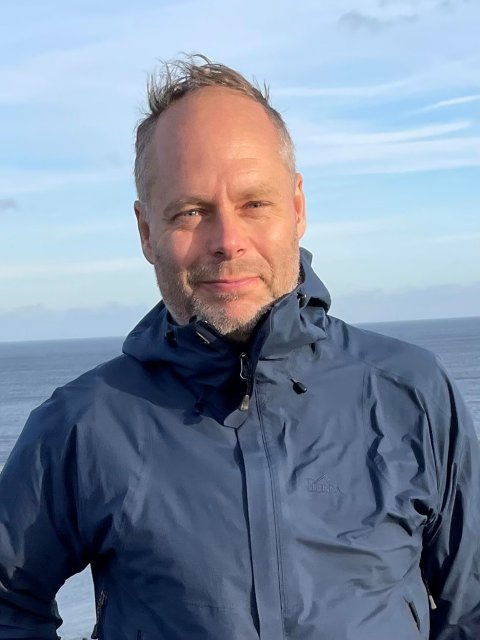
Instructor
Emil Sandström, PhD, is a Senior Lecturer in Rural Development and Associate Professor (Docent) at the Swedish University of Agricultural Sciences (SLU), Sweden, where he also holds the Excellent Teacher distinction. His research explores how people organise around natural resources, negotiate competing interests and values, and shape rural change and sustainability transformations. He focuses on commons and commoning, resource governance and conflicts, and the interplay between policy and everyday practice. He also investigates how local economies work and change, alternative ways of organising economic life, and back-to-the-land migration as a search for more sustainable ways of living. Across these areas, his work explores how collective action and place-based practices shape transformative change towards more sustainable rural futures.
Learning outcome
On completion of the course a student:
- can define and critically discuss conditions for economic development in remote, rural communities in the global north
- mechanisms from different spatial perspectives.
- can identify and critically discuss examples of strategies, plans and successful policies for sustainable local economic development in remote, rural communities in the global north regional and rural economic development
- can explain examples of economic tools, policies and adjustments as well as their impacts.
- has good skills in reading and writing sections of scientific papers on economic aspects of rural and remote regions.
- and critically review and discuss traditional and innovative economic concepts in an oral and written form.
- has developed their critical thinking regarding sustainable economic development.