
Ever wonder what our alumni are doing after studying at UW? Read some of their stories in their own words.
Lynnee from the USA - CRD 2023
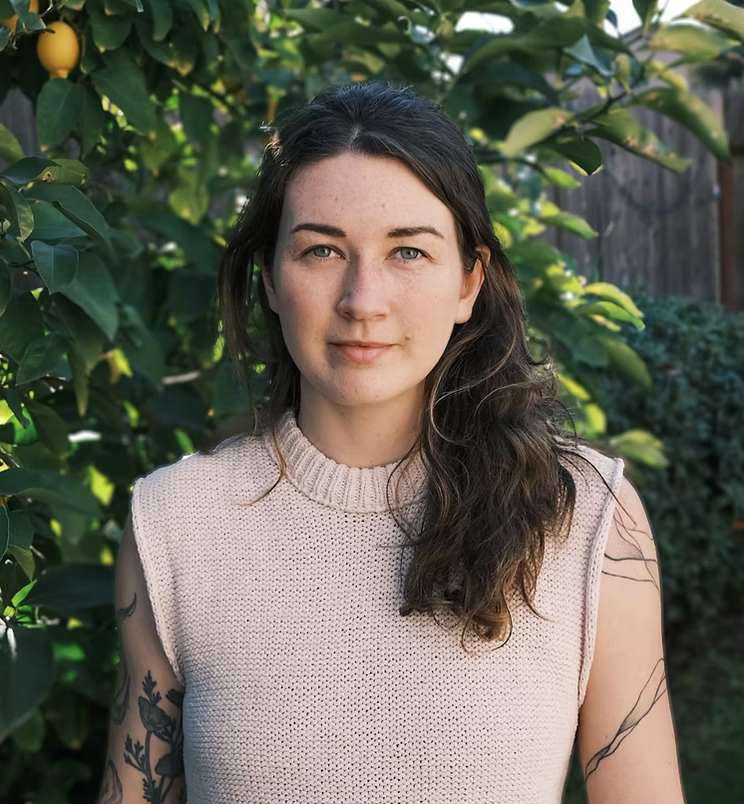
What is your current position/job activity?
I currently work with the Oregon Coast Tourism Association, where I focus on sustainable coastal development and tourism in our rural coastal communities. My role involves coordinating stakeholder advisory groups, launching visitor campaigns on safety and stewardship, advancing blue economy initiatives to keep seafood local, and contributing to infrastructure projects like expanding gravel biking trails.
Job title: Industry Communications Coordinator, Oregon Coast Tourism Association
What from your studies at UW do you think prepared you best for your current job/career?
Both the Westfjords and the Oregon Coast are historical fishing economies now shifting into tourism economies, and as rural coastal areas, they face similar challenges. I am continually impressed by the ways my experience at UW has prepared me to engage with stakeholders over complex topics like coastal resource management, sustainable tourism, and public policy. During my time at the university, I learned vital skills about distilling complex information to diverse audiences — and I left with a desire to make travel more impactful for both the visitor, and the destination.
What is your favorite memory about your time at UW?
My favorite UW memory was co-creating the Westfjords Way Challenge cycling race, which bridged the world of adventure cycling with my studies. Hosting the event was a massive undertaking, and the experience of hosting riders from all over the world in this incredible region is one of my best memories and biggest accomplishments.
Rob from the USA - CMM 2014
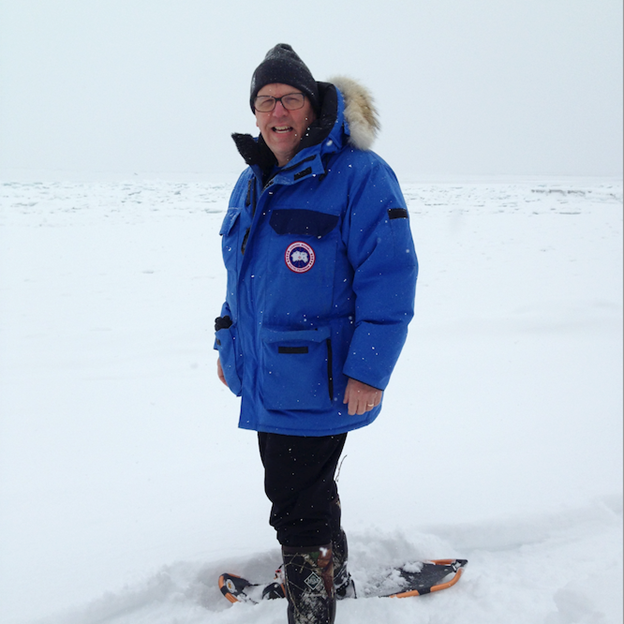
What is your current position/job activity?
Currently I am semi-retired but remain appointed as a Vice Chair/Adjudicator of the Workplace Safety and Insurance Appeals Tribunal. I hear and adjudicate the final level of appeals for workplace safety and insurance claims in Ontario, Canada.
What from your studies at UW do you think prepared you best for your current job/career?
In particular, the discipline of having to write a thesis, revise, and defend, has made a significant contribution to my work writing legal decisions. A good deal of my work involves reading detailed medical reports, understanding their interpretation, and relating medical opinions to policies and law. My introduction to reading and understanding academic journals, and evidence based science, really started at UW.
What is your favorite memory about your time at UW?
Of course, it was hanging out at the coffee shop in Ísafjörður and having all kinds of interesting discussions with classmates and residents. Learning how to make Pönnukökur is also top of the list. Shout out to Gunna Sigga, as I still can’t make them like hers. I frequently tell the story of the time we went on an “expedition” up the hill towards Seljandsdalur to find rhubarb for pies and compote. We bragged about our clever efforts to harvest wild sustenance, only to learn later we had robbed Gunna Sigga’s family cultivated rhubarb patch!
Hanna from Canada - CMM 2020
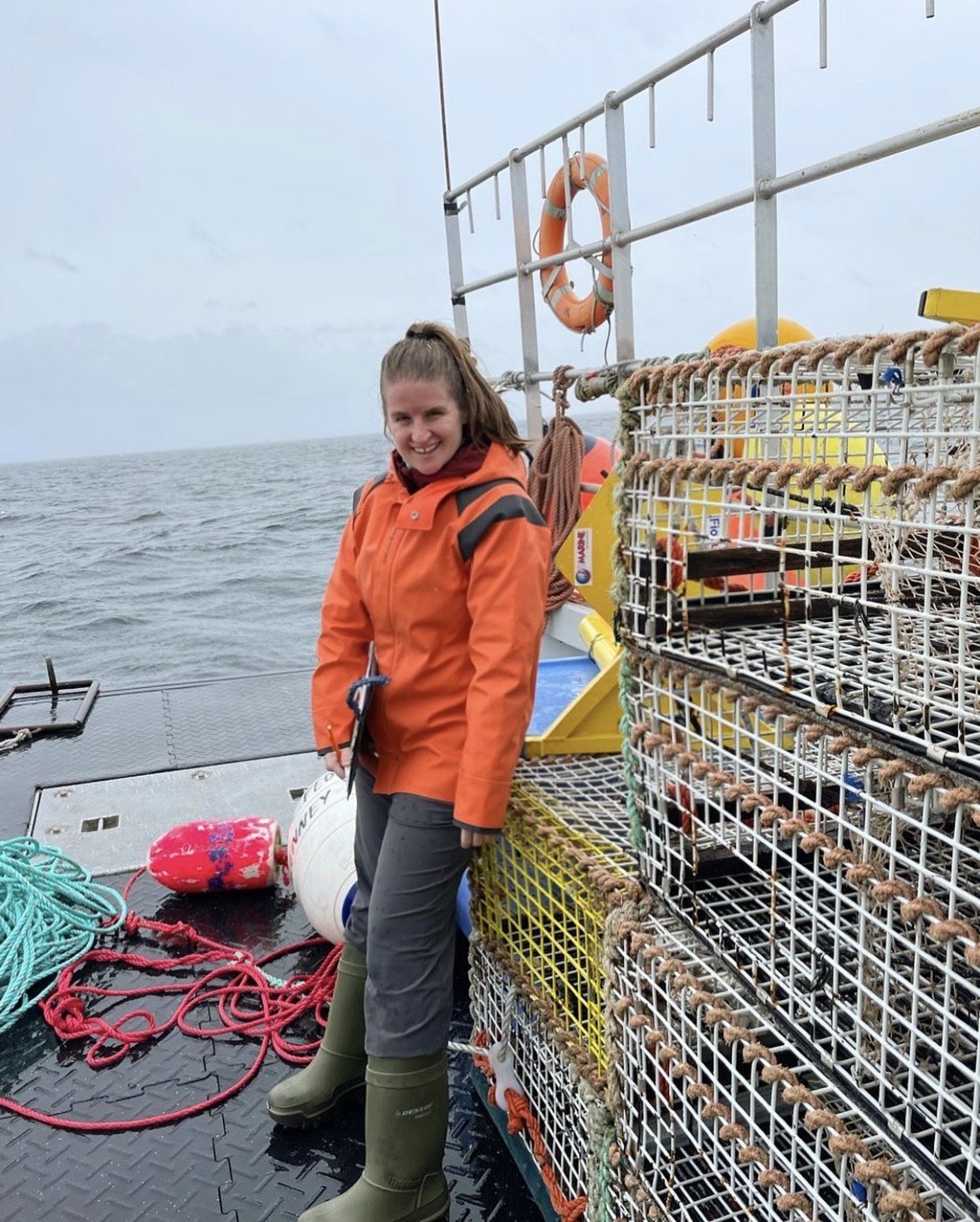
What is your current position/job activity?
I currently work for Oceana leading a campaign to protect critically endangered North Atlantic right whales in Canada. I work closely with commercial snow crab and lobster fisheries in Atlantic Canada and the shipping industry to reduce whale entanglements in fishing gear and vessel strikes.
What from your studies at UW do you think prepared you best for your current job/career?
Learning how to work collaboratively with stakeholders and industry partners to best protect ocean resources and wildlife was imperative to the work that I went on to do. Additionally, a hands-on learning approach and collecting data for my thesis helped equip me with the necessary skills to conduct field work and spend a lot of time on vessels!
What is your favorite memory about your time at UW?
A favourite memory is settling in during my first week arriving to Isafjordur and looking outside my bedroom window to see the northern lights dancing across the sky for the first time. I knew I was in for a magical two years.
John from the USA - CMM 2018
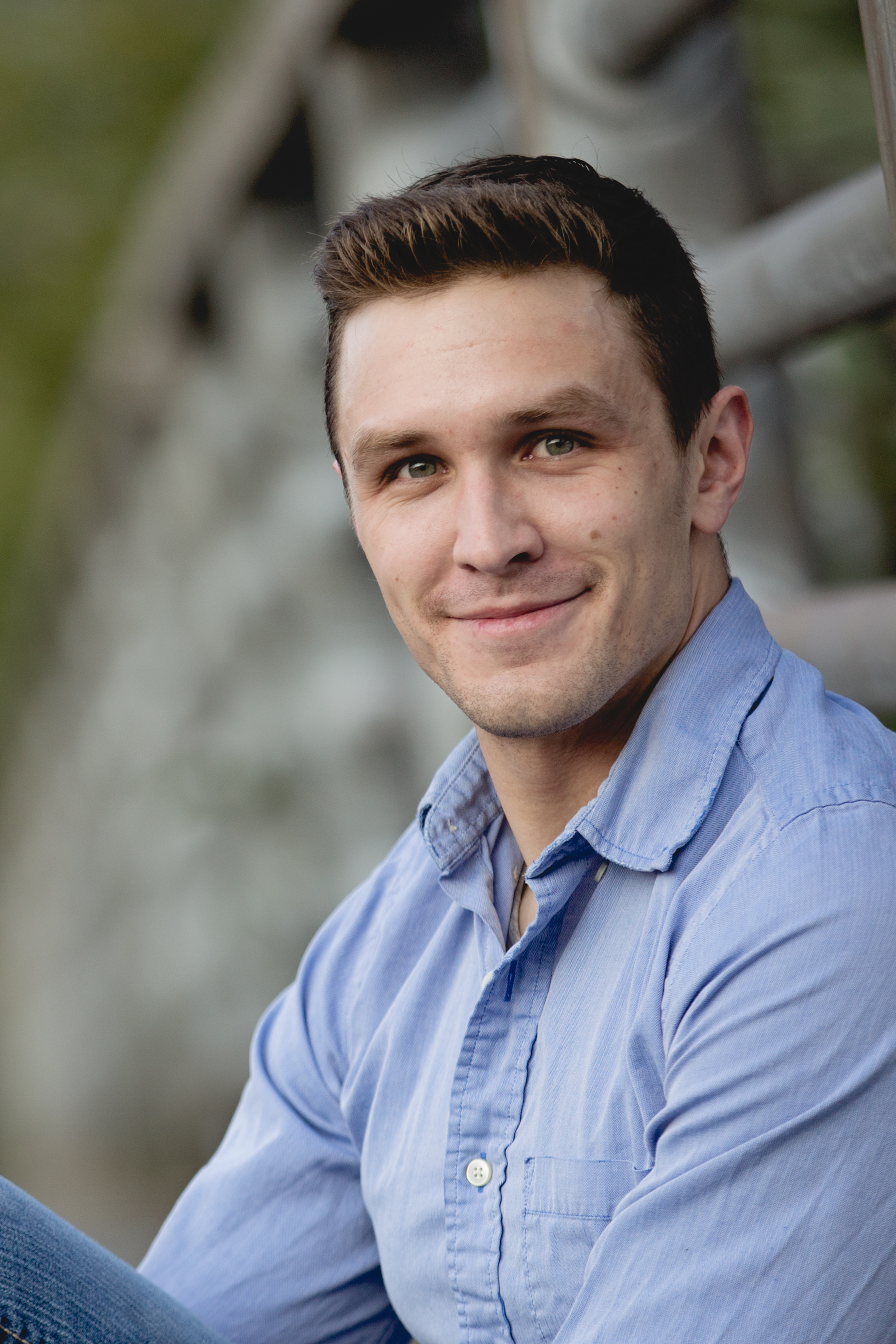
What is your current position/job activity?
Seafood Technical Director at Alaska Seafood Marketing Institute
What from your studies at UW do you think prepared you best for your current job/career?
The multi-disciplinary studies offered by the University Centre has been invaluable to my career, namely due to the wide variety of technical topics I deal with in my day to day. In my role, I’m responsible for research efforts and policy discourse around all technical topics involved in seafood from Alaska, so sustainability, biology/ecology, quality/handling, human nutrition, etc. Being able to navigate varied subjects and adequately consider the many perspectives of various stakeholders was something focused on intensively at UW, and something I’m infinitely grateful for. Integration of the program into a fishing community was incredibly valuable for seeing the subject matter in real time, and the generation of my thesis at UW gave me the foundations for my daily work. I still pull from lessons learned in that process frequently.
What is your favorite memory about your time at UW?
It would have to be the sense of community and place that is so present in Ísafjörður. Not only did I make lifelong friends from my cohort, but to this day still feel like it is a home away from home. The community is small, friendly, and more than welcoming to the students in town, with scenery that is stunning and dramatic, and grounds one in the type of work they are doing as a part of UW.
Solveig from Norway - CMM 2023
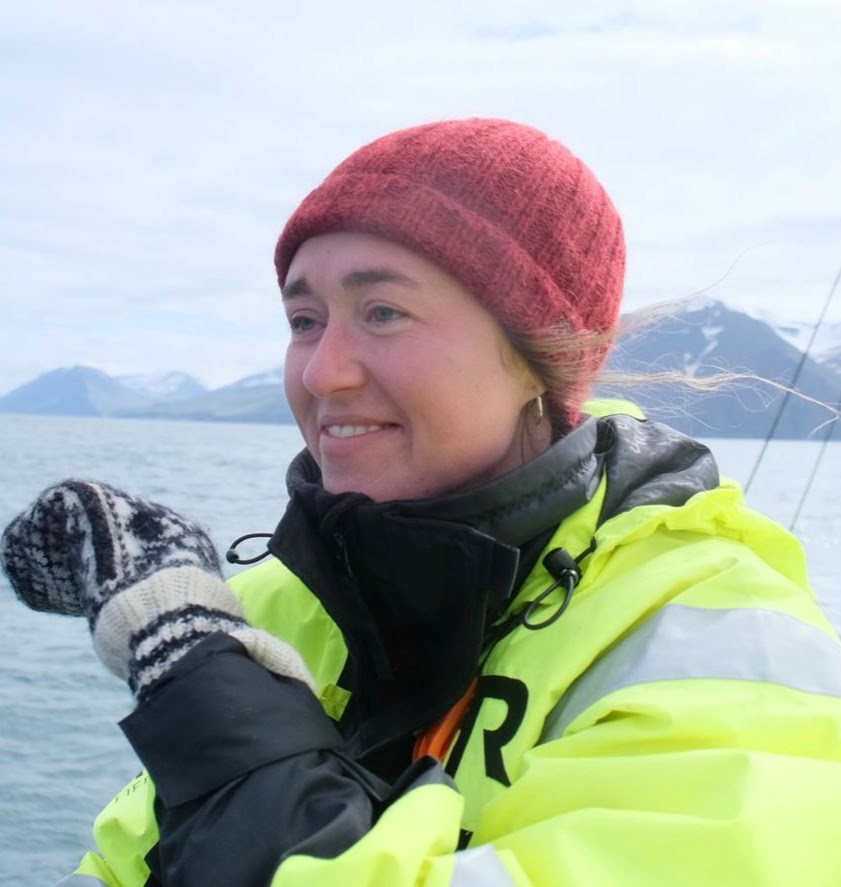
What is your current position/job activity?
I am a researcher at Nordland Research Institute in Lofoten, Norway. I work with resource - and environmental management from a social science perspective.
What from your studies at UW do you think prepared you best for your current job/career?
The interdisciplinarity and diversity of both the courses and my student cohort.
What is your favorite memory about your time at UW?
The community in Ísafjörður and making friends for life.
Sara from Spain - CMM 2019
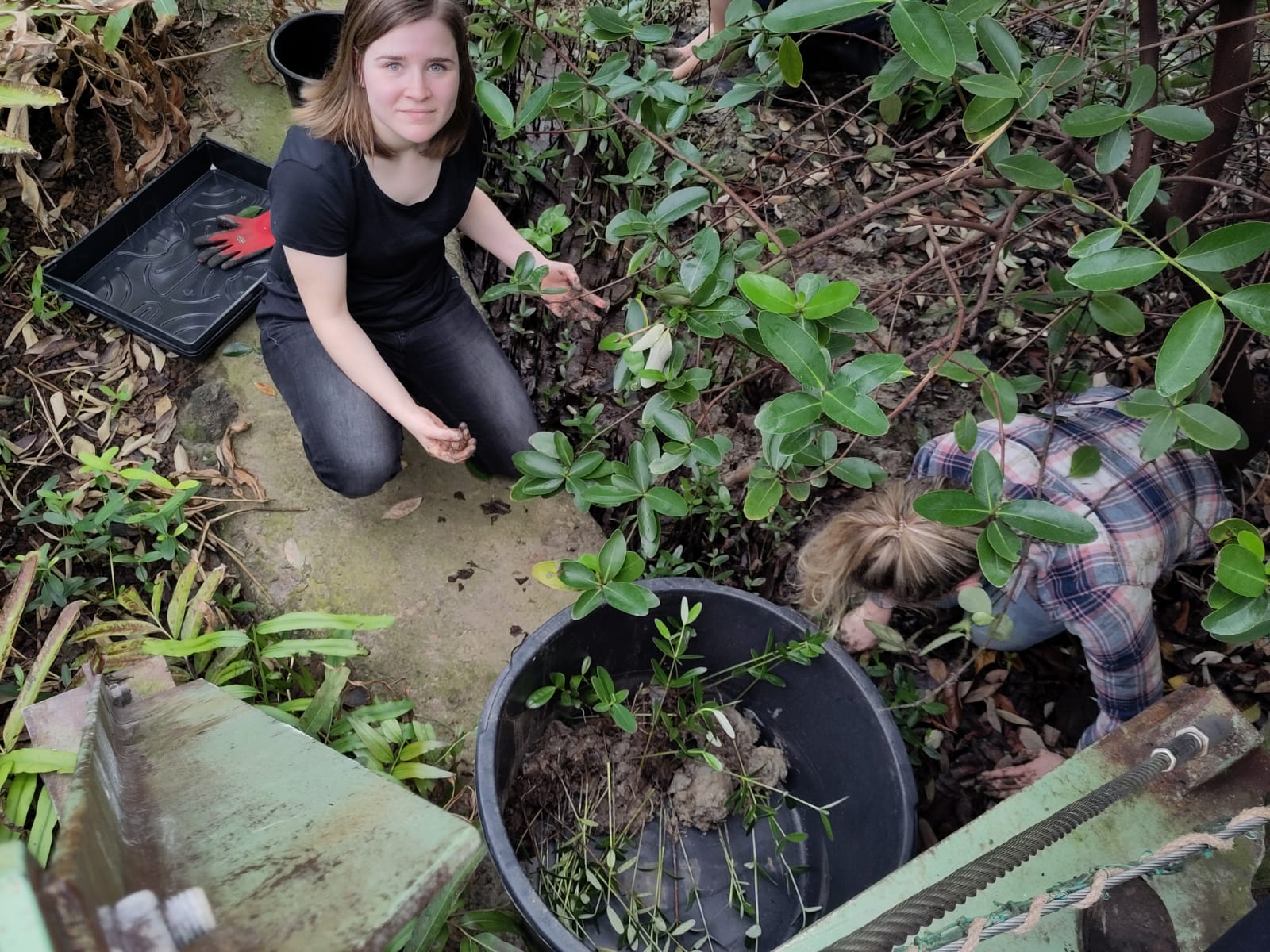
What is your current position/job activity?
I am currently working as a researcher and consultant at Deltares, a Dutch knowledge institute specializing in water solutions. My current position focuses on coastal ecosystem restoration and climate adaptation, where I apply my background in oceanography, marine ecology, and of course, coastal and marine management.
What from your studies at UW do you think prepared you best for your current job/career?
Working in climate adaptation for coastal zones requires knowledge from several CMM courses, including practical applications and tools, spatial planning and GIS, and, of course, adaptation and management-related courses/assignments. The combination of technical skills and socio-economic perspectives I gained during my studies at UW has been incredibly valuable in my current work, especially since my previous academic background and subsequent PhD were purely scientific and experimental, focusing on marine and coastal ecology.
What is your favorite memory about your time at UW?
One of my favorite memories is the student life we shared at home. Living with six classmates, sharing the house, life, and outdoor adventures. In Isafjordur I gained a new family and a sense of belonging that made the experience truly unique, and the friendships I formed there are still something I cherish every day.
Alan from Great Britain - CMM 2011
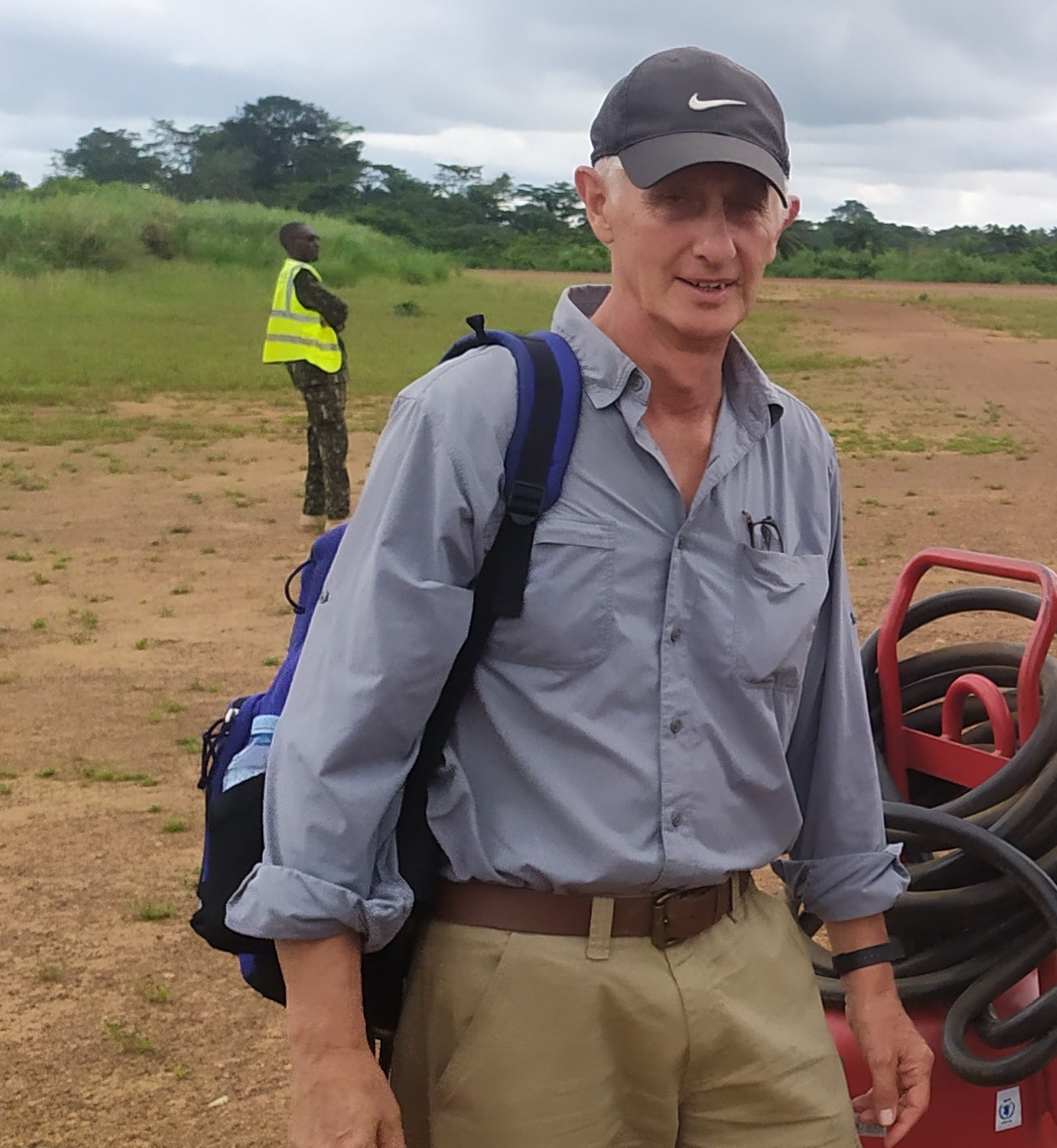
What is your current position/job activity?
I am currently empoyed as a consultant working with various wildlife authorities to manage and develop their parks and nature reserves. This has been primarily in Africa, mainly in the DRC, Guinea, Mozambique and Zambia.
What from your studies at UW do you think prepared you best for your current job/career?
Although I took the Coastal and Marine Management course at UW I have never worked in the marine environment, or anywhere close to the ocean. But much of what I learned about natural processes and the principles of conservation have been of immense value. Over the years, I’ve come to the realization that working on environmental issues has absolutely nothing to do with frolicking with wildlife or gazing at picturesque landscapes. It’s all about dealing with humans—the most unpredictable, irrational, and occasionally baffling species on the planet. So being exposed to some of the unusual and somewhat eccentric inhabitants of the Westfjords, not to mention the colourful cast of characters I have met through the UW programmes, has prepared me for the wildest, most challenging situations in the heart of Africa.
What is your favorite memory about your time at UW?
My favorite memory - or at least the one that hasn’t been swallowed by the black hole of forgetfulness - was the grand finale of an outing with the students and staff of UW. The first snowstorm of winter had hit, and the ground was buried under a thick layer of snow. We tumbled out of the bus in the parking lot of the Isafjordur police station, looking like a bunch of overgrown kids in snowsuits.
Then, as if on cue, chaos erupted. A spontaneous snowball fight broke out, and whether it was all in good fun or the result of months of pent-up frustration (let’s be honest, probably both), a barrage of snowballs was hurled in Peter’s direction. Some hit their mark. Now, I expected Peter to maybe raise an eyebrow, mutter something dignified, and retreat. But no! In true Bavarian spirit, he transformed into a snowball-wielding warrior, firing back with the enthusiasm of a man who’d been waiting his whole life for this moment.
What followed was nothing short of epic - a mighty battle of icy projectiles, laughter, and the occasional faceful of snow. Just like Game of Thrones, but with fewer dragons and more frostbite.
Charla from Canada - CMM 2014
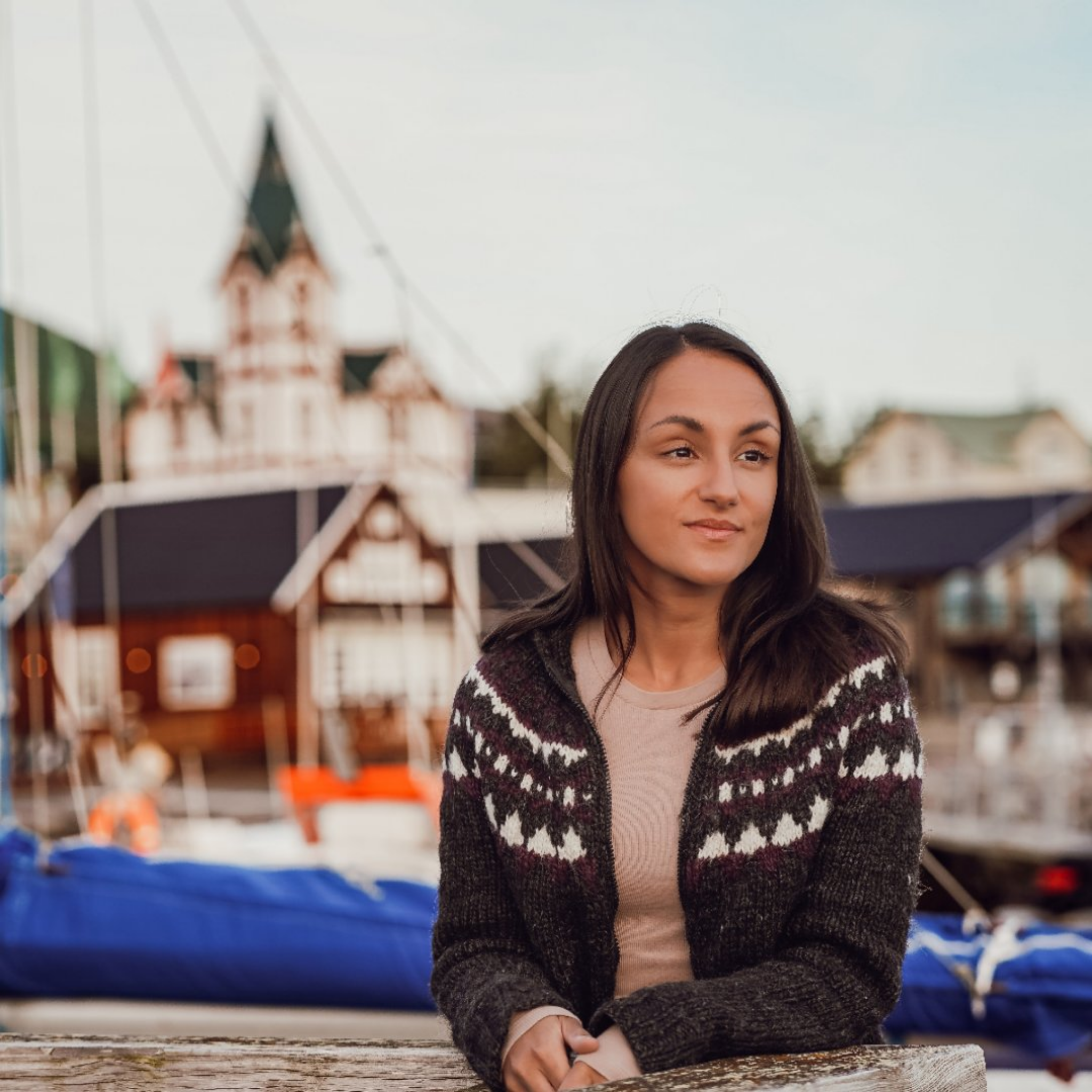
What is your current position/job activity?
Post-doctoral cetacean researcher at the University of Iceland's Húsavík Research Centre
What from your studies at UW do you think prepared you best for your current job/career?
The broad range of marine-related topics taught at UW helped me become a more well-rounded researcher and supervisor. I currently supervisor many bachelor and master’s students through an internship program and I am able to help them take on a broad range of topics from biology to MPA management.
What is your favorite memory about your time at UW?
Some of my favourite memories from my time at UW are when my cohort would host/participate in community events at Kaffi Ísól, including "international buffets" and trivia nights, where we really became more connected with the local life.
Of course another would be experiencing Aldrei Fór Ég Suður music festival for the first time!
Mathieu from France - CMM 2023
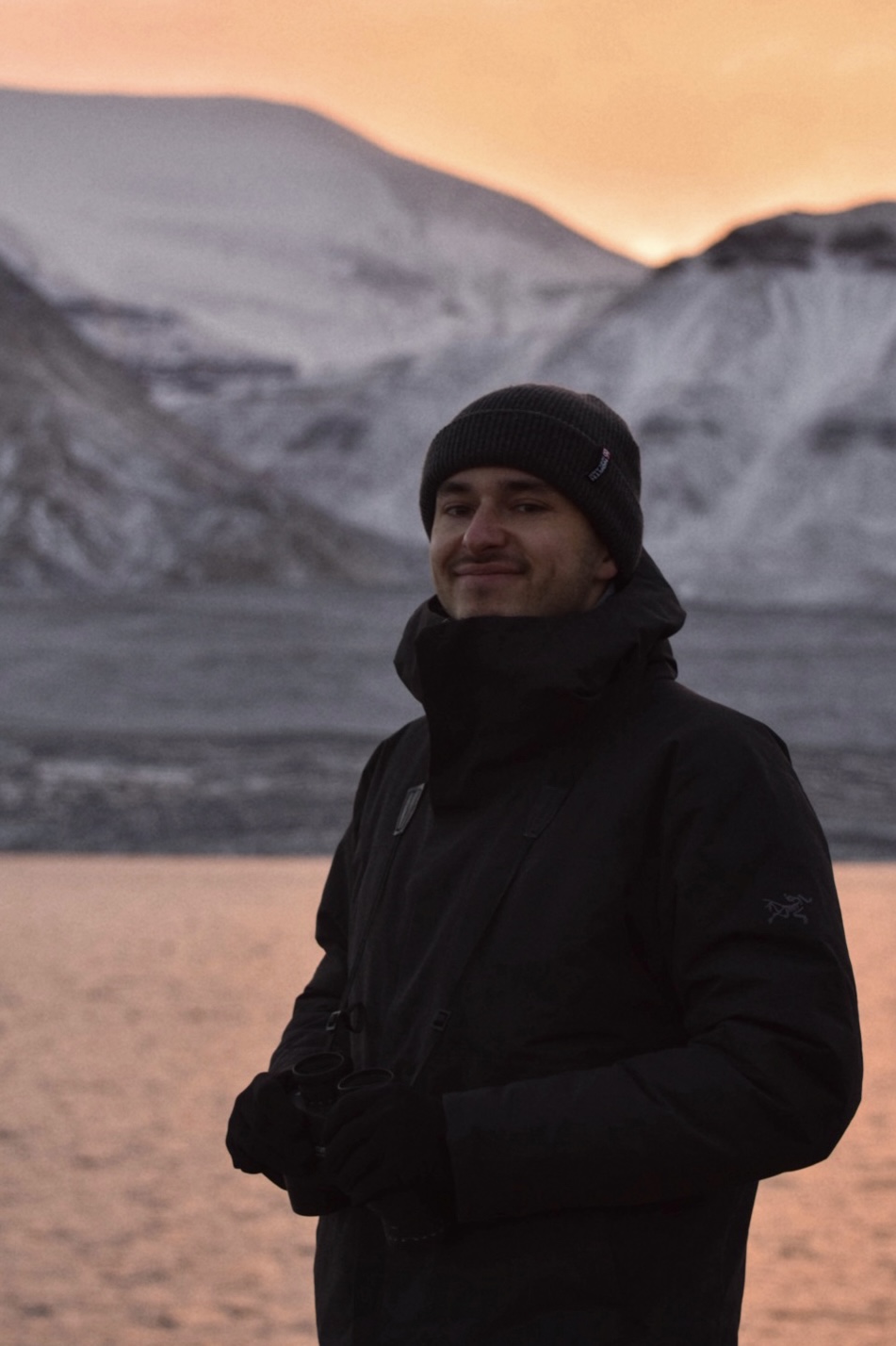
What is your current position/job activity?
I currently work as a Biodiversity & Ocean Coordinator in the private sector for a multi-energies company in Paris, France
What from your studies at UW do you think prepared you best for your current job/career?
Personally, what from my studies at UW prepared me best for my current career was the multi-disciplinary aspect of the degree, in addition to students having all kinds of backgrounds.
What is your favorite memory about your time at UW?
Not easy to pick one in particular but I would probably say the graduation ceremony in Hrafnseyri.
Kelly from Canada - CMM 2019
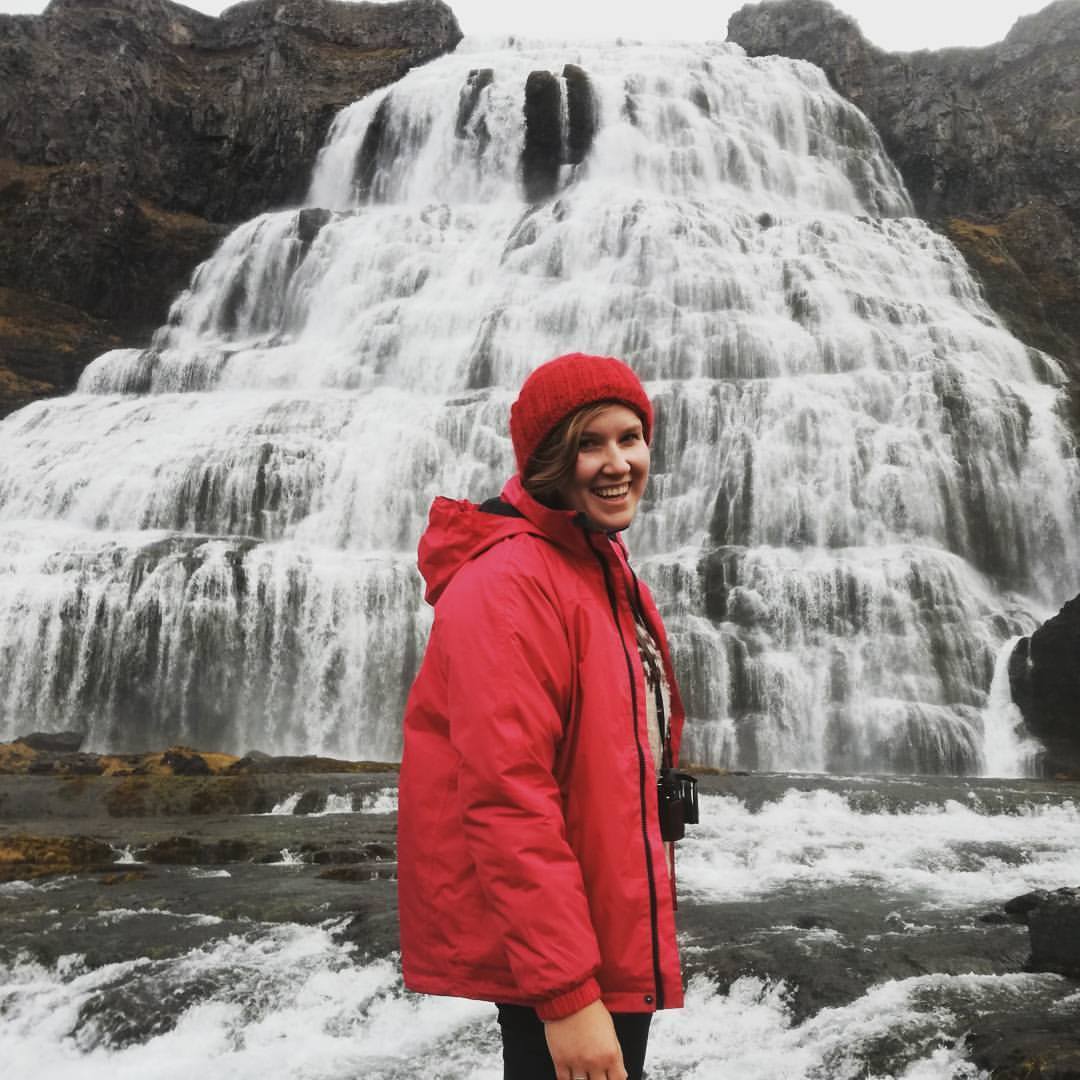
What is your current position/job activity?
Education and Outreach Coordinator at TransCoastal Adaptations Centre for Nature-Based Solutions. I lead the Green Shores program on the East coast of Canada, which provides municipalities and homeowners with best practices for restoring the shoreline processes and habitats on their properties using nature-based solutions!
What from your studies at UW do you think prepared you best for your current job/career?
The diversity of courses provided within the Coastal and Marine Management program really rounded out my knowledge base for use within a multidisciplinary field. The majority of what I do in my position is hosting training sessions, webinars, and creating educational materials, so by having presentation requirements in each of the courses, I was able to settle comfortably into a public education/teaching role.
What is your favorite memory about your time at UW?
One memory that sticks out in my mind was when I came in one day to find the large map on the wall had been turned upside down. I asked Þórdís why it was flipped and she said it was good to look at the world from different perspectives sometimes, and to keep an open mind about what is true.
Elsa from the USA - CMM 2024
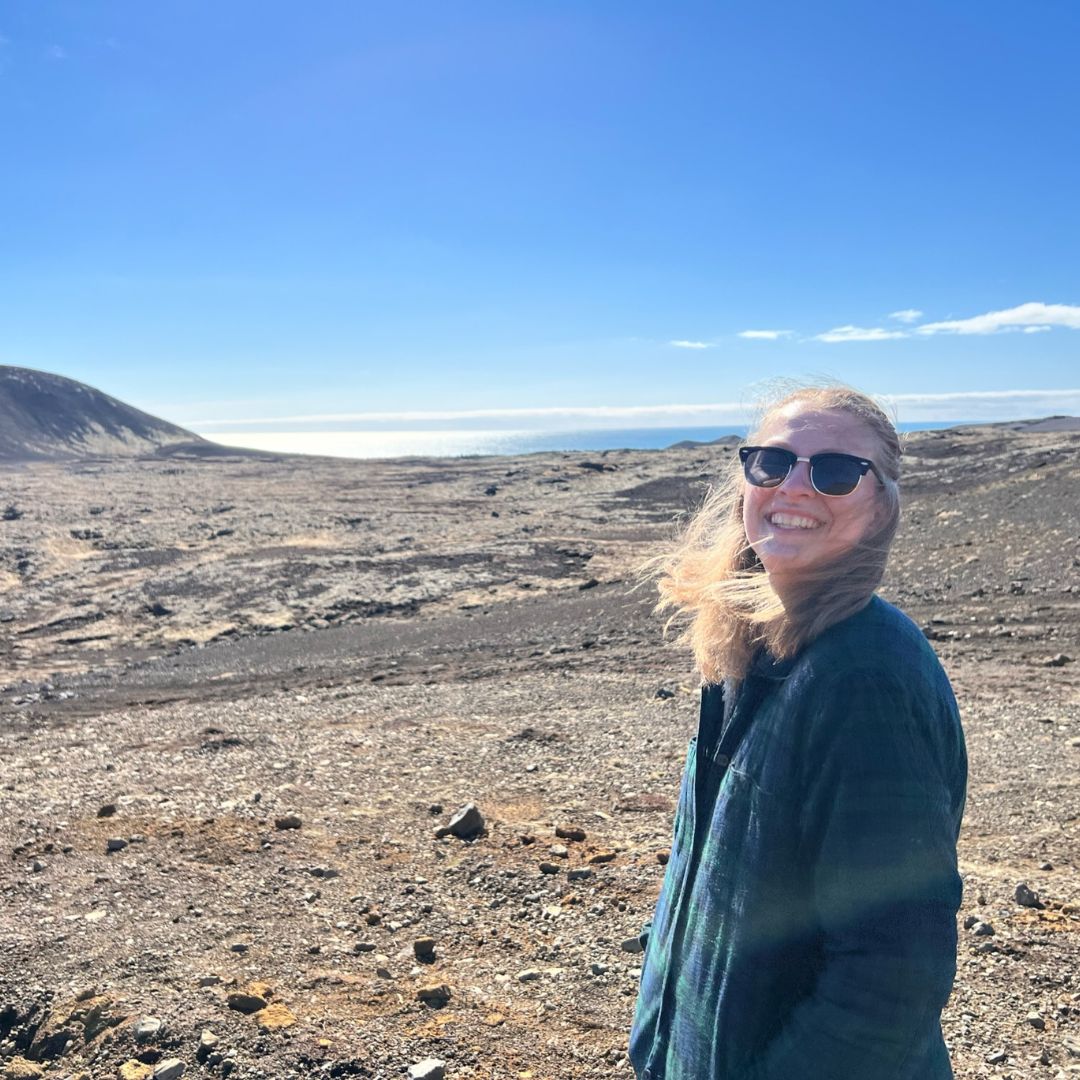
What is your current position/job activity?
I have just started a new role as a PhD student at the University of Copenhagen Globe Institute. My project is titled "Ecological aspects and conservation implications of microbe-driven adaptation in newts." I met my current research group through the thesis writing portion of the CMM master's program.
What from your studies at UW do you think prepared you best for your current job/career?
The practical exercises and emphasis on fieldwork and applied learning best prepared me for starting a PhD. In particular, requiring students to develop their own thesis projects and seek out external advisors and research groups best prepared me to be a competent and independent researcher.
What is your favorite memory about your time at UW?
My favorite part about UW was having the opportunity to live in Ísafjörður and explore the Westfjords. I met most of my best friends at UW, and I am deeply grateful to the program for introducing me to such kind, adventurous, and welcoming people-- both fellow students and community members.
Ellyn from Canada - CMM 2014
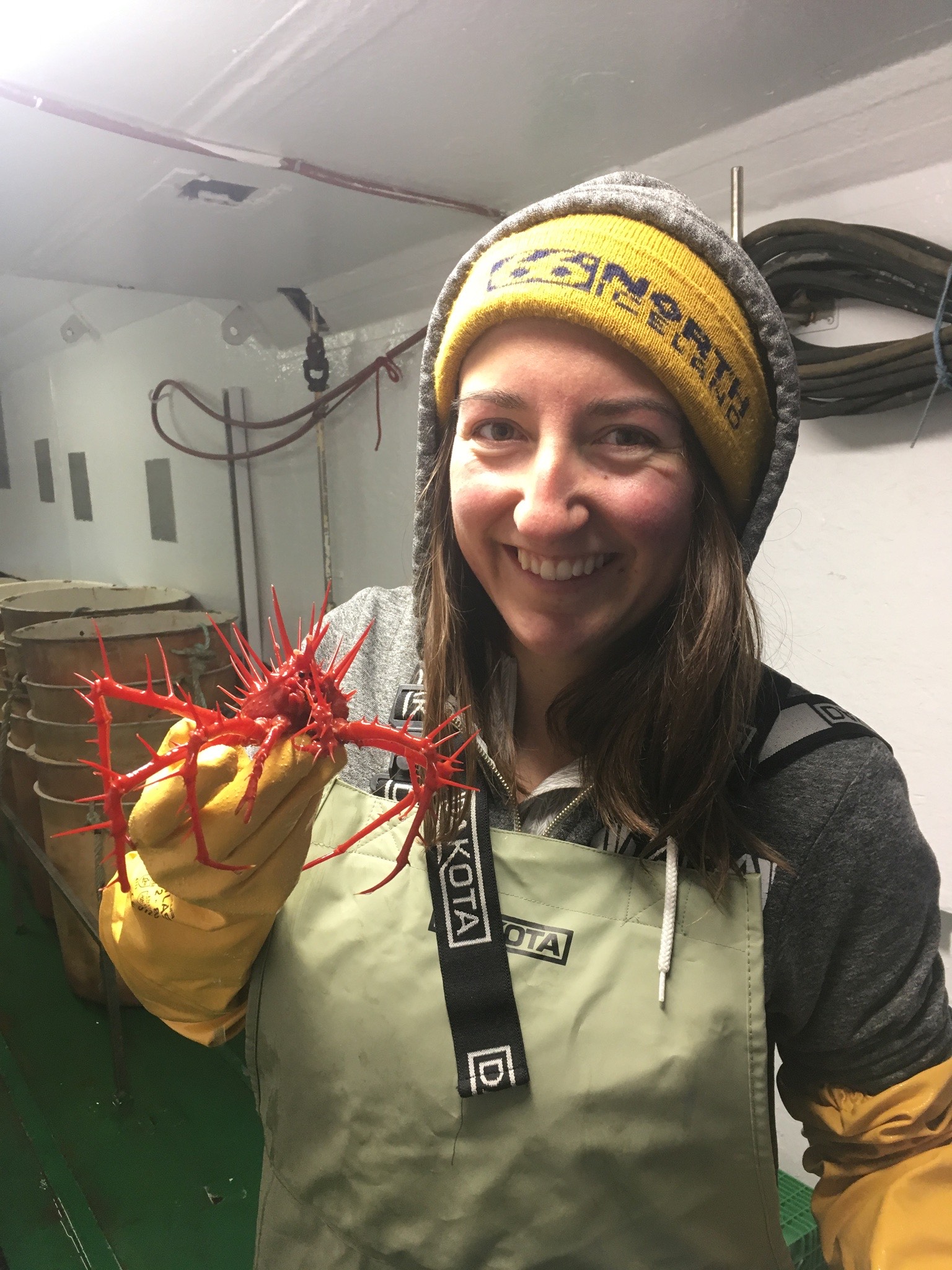
What is your current position/job?
I am currently a PhD candidate working with Dr. Nigel Hussey at the University of Windsor in Windsor, Ontario, Canada. My research focuses on understanding the large-scale movements of Greenland halibut, a large, flatfish that is found in deep-water (~600 - 1100 m) across the Arctic/North Atlantic. This work uses acoustic telemetry to track the fish and involves a suite of analyses to determine where and when they move in the open ocean.
What from your studies at UW do you think prepared you best for your current job/career?
My time at UW ignited my passion for the Arctic/Arctic research, which led me to my current PhD program. The program provided me with field opportunities, through e.g. the marine mammal field course in Husavik and the aquaculture field course in Talknafjordur, which helped prepare me for my current fieldwork.
What is your favorite memory from your time at UW?
There are too many to count! I loved having opportunities to explore Iceland's amazing nature (visiting hot pots, experiencing the midnight sun, cheering for the magical aurora, hiking from Isafjordur to Bolungavik and around Hornstrandir). I will never forget attending Aldrei fór ég sudur and listening to amazing Icelandic musicians or learning how to knit or experiences with life-long friends from my cohort.