
Marine Spatial Planning course underway at the University Centre of the Westfjords
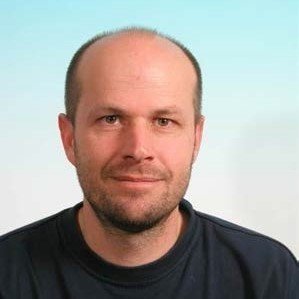
From March 2–13, students at the University Centre of the Westfjords are diving into the world of Marine Spatial Planning — a field that sits right at the meeting point of ocean use, environmental sustainability, and decision-making.
As interest in the blue economy has grown around the world, coastal states are increasingly looking to the sea for new opportunities in jobs, energy production, and economic development. But with more activity at sea comes a big question: how do we make room for everything while still managing marine environments responsibly? That is exactly what this course explores.
Marine Spatial Planning focuses on how marine space is used, by whom, and under what legal and policy conditions. In this course, students take a close look at the process and explore how different approaches can lead to very different outcomes depending on the place and the context.
One of the highlights of the course is a serious game, where students step into the roles of real-life stakeholders and work together to find space for 10 GW of wind energy in the Dutch part of the North Sea. It is a hands-on way to experience just how complex — and interesting — marine planning can be.
Through case studies from around the world, students examine the tools and techniques used in marine spatial planning, consider their strengths and weaknesses, and connect theory to real-world practice. The course also explores the challenges, lessons learned, and future opportunities linked to Marine Spatial Planning from an applied perspective.
By the end of the course, students will have gained a deeper understanding of ecological and coastal zone management in practice, the planing process itself, and the wide variety of outcomes and planning tools involved. They also strengthen their critical thinking, along with written and verbal communication skills, through course assignments.
The course is taught by David Goldsborough, a researcher and lecturer on Marine Policy at Van Hall Larenstein in the Netherlands. With a background in environmental science, his teaching focuses on marine policy, marine spatial planning, biodiversity conservation, and sustainable fisheries. He also teaches two master’s courses at the University of Twente. In addition, David is an active member of five International Council for the Exploration of the Sea (ICES) expert groups, and his research focuses on the science-policy-practice interface in ecosystem-based marine management, with a particular emphasis on marine governance.
And for David, the people in the classroom are a big part of what makes the course special:
“I really enjoy the interaction with the motivated students that come from various countries and have different backgrounds.”
Read more about the course here.
All master's courses taught at the University Centre of the Westfjords are open to participants from both universities and the business community. If you are interested in attending a single course at the University Centre, you can familiarize yourself with our course catalogue and submit an application for a single course.