Hands-on navigation in Arctic waters in the course Navigation, Shipping and Offshore Activities in the Arctic
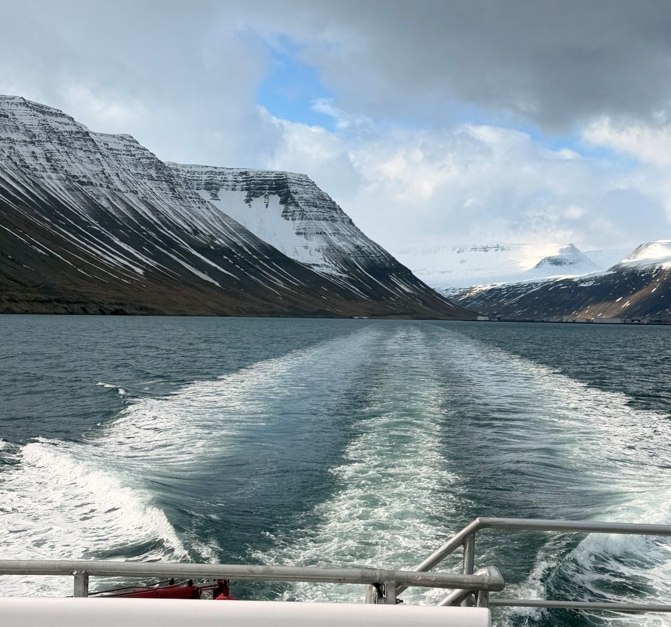
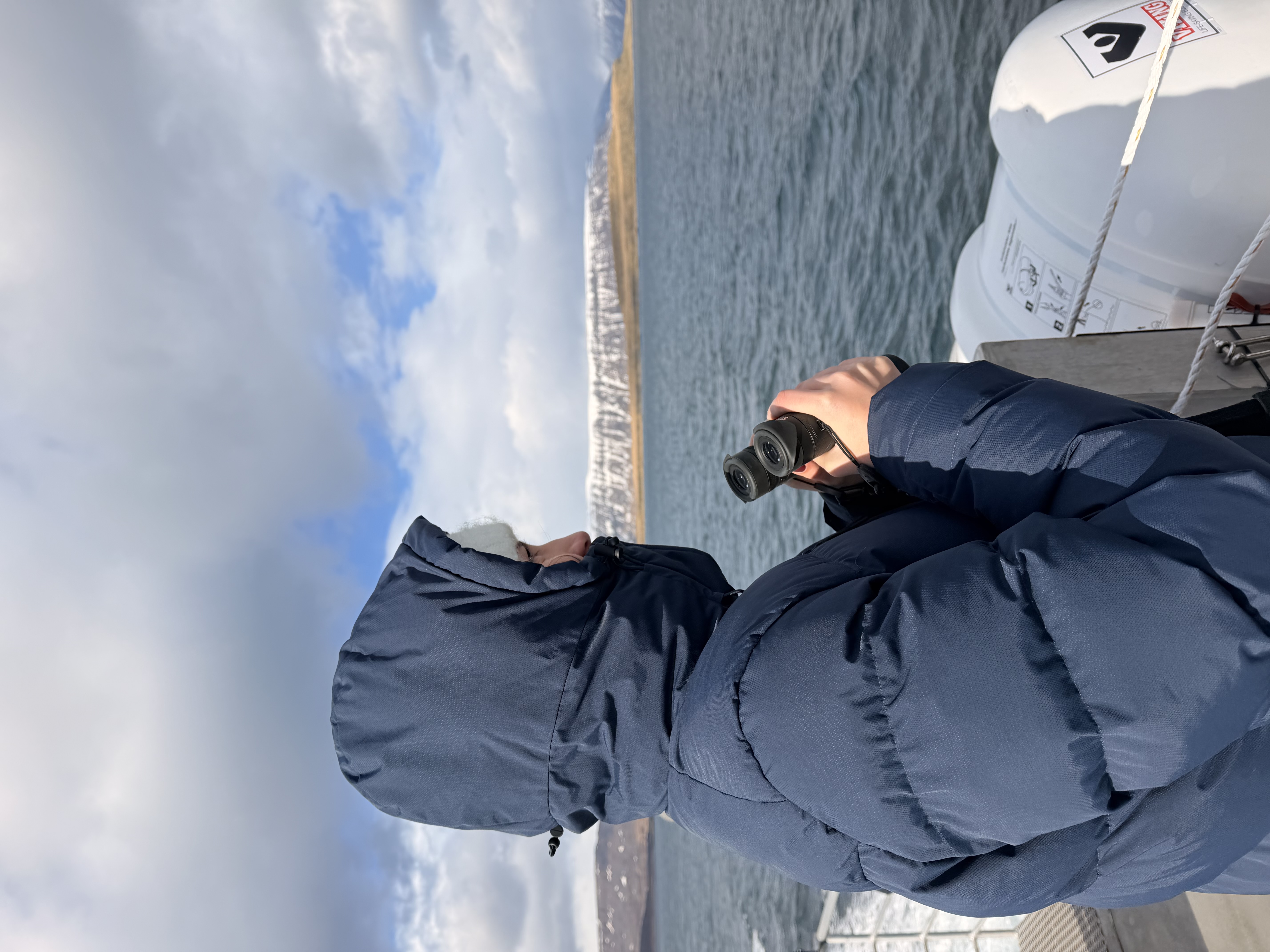
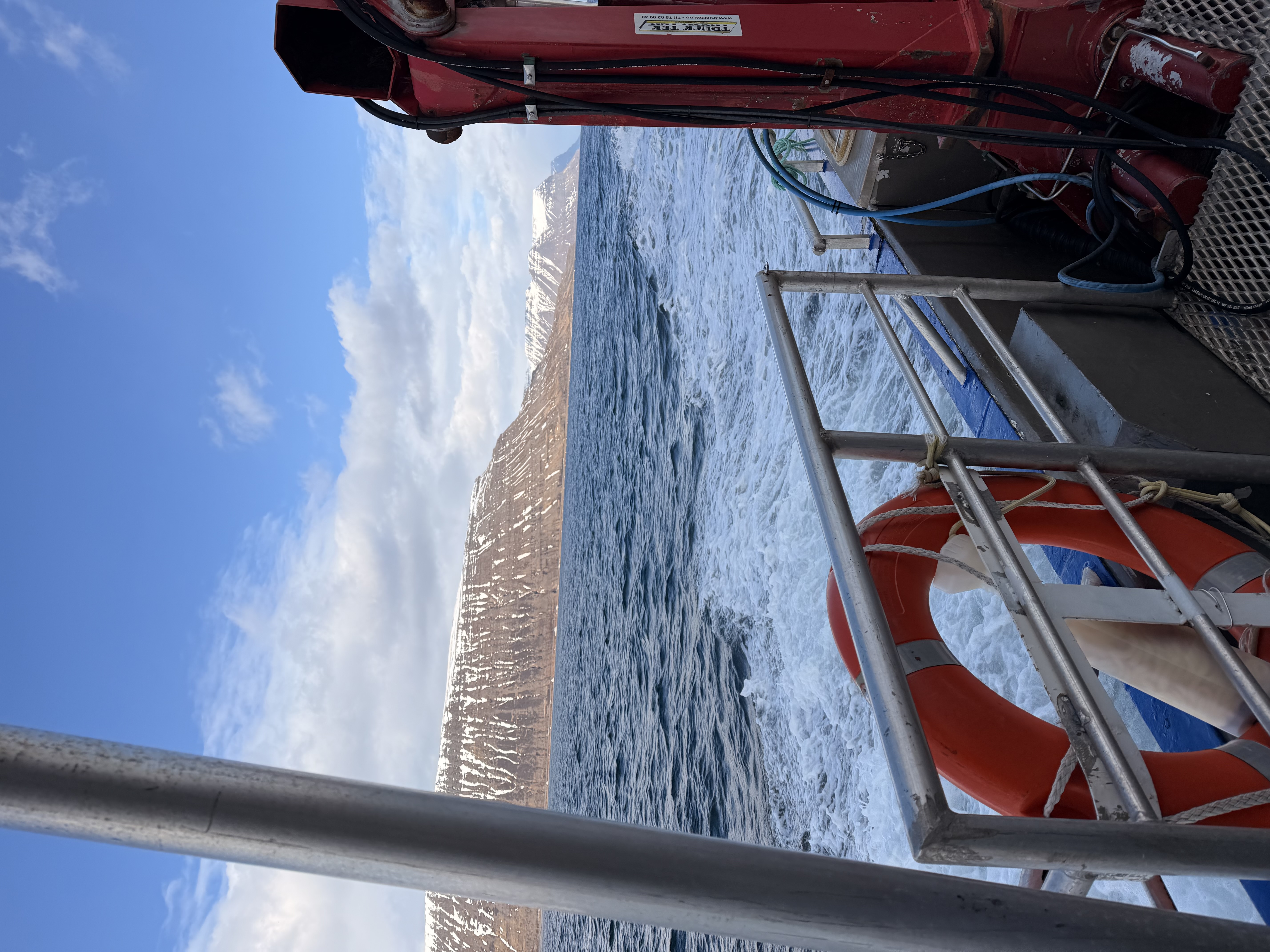
Students in the course Navigation, Shipping and Offshore Activities in the Arctic recently took their learning out of the classroom and onto the water during a boating field trip in Ísafjarðardjúp. The excursion offered hands-on insight into navigation in the European Arctic and Icelandic waters, connecting course theory with real-world maritime practice.
About the Course
The course gives students an interdisciplinary introduction to past, current and future Arctic shipping and offshore operations. It explores how socio-economic, geopolitical, environmental and climatic changes shape maritime activities in the Arctic, and looks at topics such as navigation, port operations, offshore industries, safety, infrastructure, search and rescue, and the effects of maritime development on coastal communities.
The course is taught by Dr. Julia Olsen, an associate professor in Environmental sociology at Nord University, Bodø. Her research is dedicated to the sustainable development of the Arctic region, focusing specifically on human-nature relations in the context of shipping and tourism development, climate change and pollution. She is involved in research projects that examine pollution in the Arctic, tourism management, environmental governance, and the circular economy practices.
Field trip in Ísafjarðardjúp
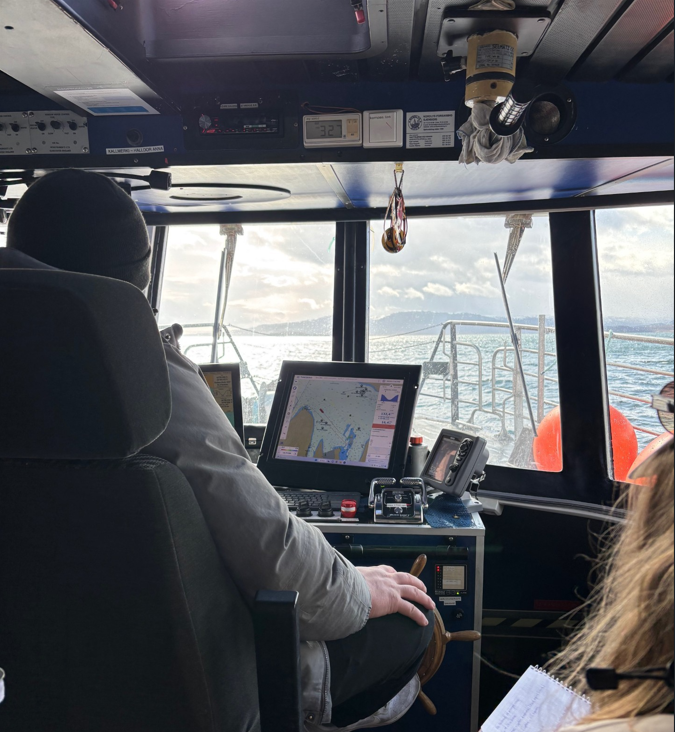
During the field trip, students were introduced to the navigation equipment used on board a local tourist boat from Sjóferðir. They learned how seabed charts, radio, radar and other tools support safe navigation, and explored how local knowledge informs decision-making in challenging Arctic conditions. The excursion also gave students an overview of search and rescue practices at sea.
Throughout the trip, students took extensive notes and actively connected their observations to concepts discussed in class. The boat’s captain shared valuable perspectives from his long sailing career, bringing practical examples into conversation with the course’s theoretical content.
He also discussed what it means to be a responsible tour operator, including a detailed introduction to the code of conduct for responsible whale watching. As he put it:
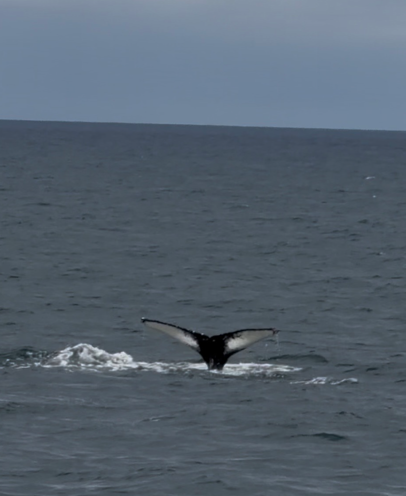
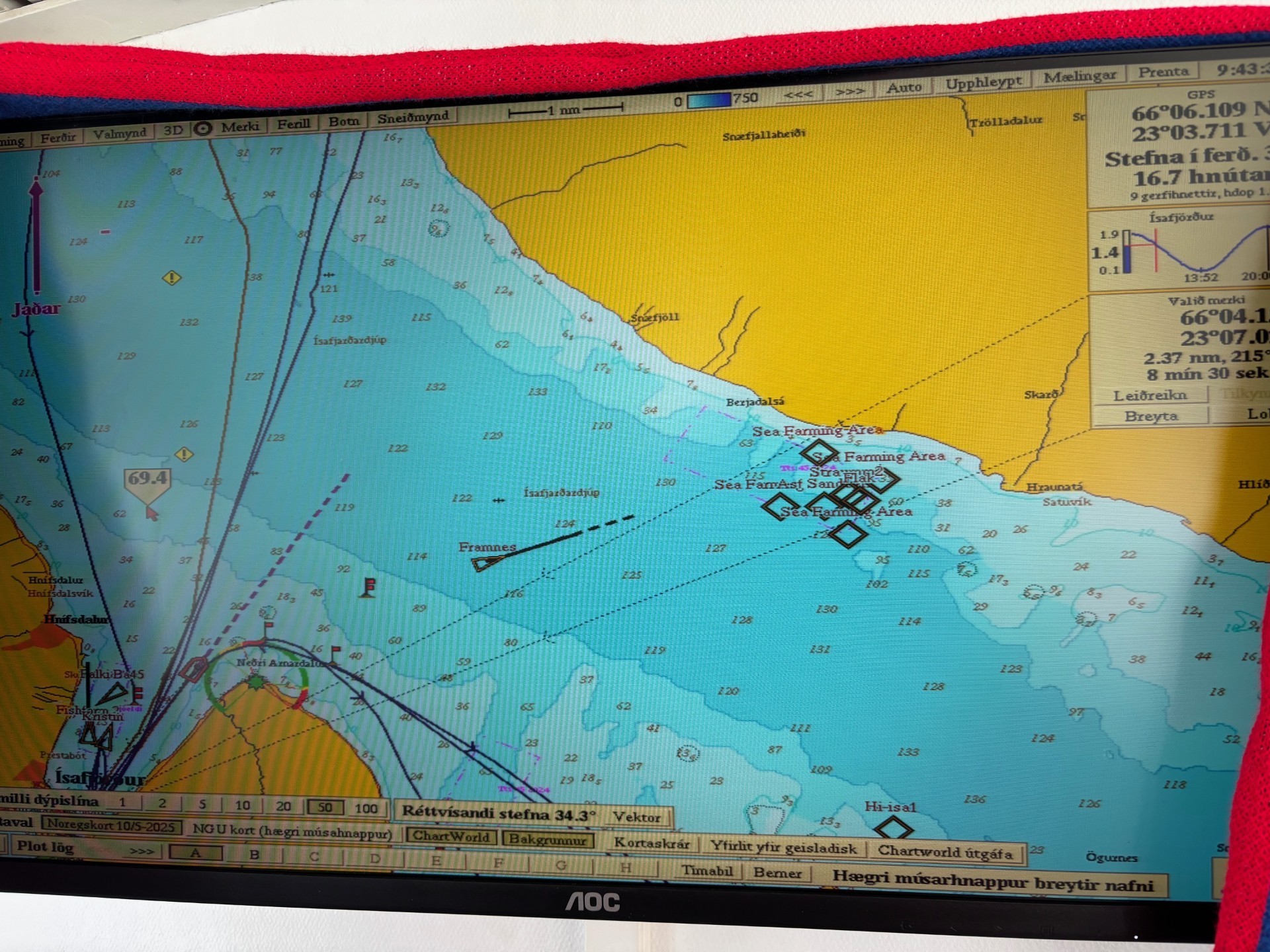 As an added bonus, students were able to observe local wildlife during the trip, including puffins and whales. This further enriched the learning experience and illustrated the close connection between navigation practices and the marine environment.
The field trip was an important part of the course, strengthening students’ understanding through experiential learning. While several navigation-related topics are covered in the classroom, combining theoretical knowledge with practical experience gives students a deeper and more comprehensive understanding of maritime practices in the Arctic.