
Exploring the Physical Processes Shaping Coastal Environments
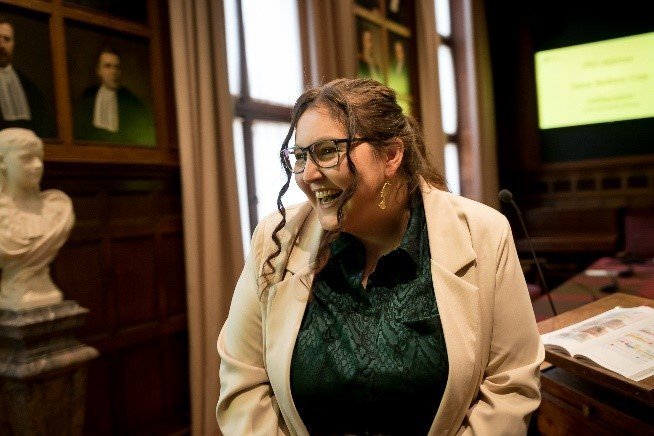
From October 26 to November 6, students at the University Centre of the Westfjords participated in the course Physical Processes of Coastal Environments, taught by Dr. Jana Cox. The course explored the natural forces that shape coastlines and marine environments, as well as the growing challenges of managing these dynamic areas in the face of climate change and human activity.
Coastal environments are constantly changing through the interaction of rivers, tides, waves, currents, and sediment movement. Understanding these processes is essential for addressing challenges such as coastal erosion, flooding, and rising sea levels. Throughout the course, students examined how these natural systems interact with human activities and how coastal management strategies can help protect vulnerable areas.
Particular attention was given to the impacts of climate change and sea-level rise, including their implications for coastal protection and long-term sustainability. Students explored both historical changes and future scenarios, gaining insight into the complex relationships between physical processes, human interventions, and the competing interests associated with coastal areas.
The course combined theoretical learning with practical approaches, including fieldwork, simulation-based exercises, classroom discussions, presentations, and written assignments. Through these activities, students had the opportunity to apply their knowledge to real-world coastal challenges and consider possible solutions for more sustainable coastal management.
The course was taught by Dr. Jana Cox, Assistant Professor at Utrecht University in the Netherlands, whose research focuses on coastal dynamics, fluvial systems, physical geography, and the impacts of global environmental change. Her research has included investigating how the Rhine and Maas river systems respond to climate change and sea-level rise, particularly in relation to sediment transport and the long-term development of river deltas.
By the end of the two-week course, students had strengthened their understanding of the physical processes shaping coastal environments and the challenges involved in balancing environmental protection with human needs. The course provided valuable perspectives on how scientific knowledge can support informed decision-making and sustainable management of coastal areas in a changing climate.