
Exploring Sustainable Local Economies in Rural and Remote Communities
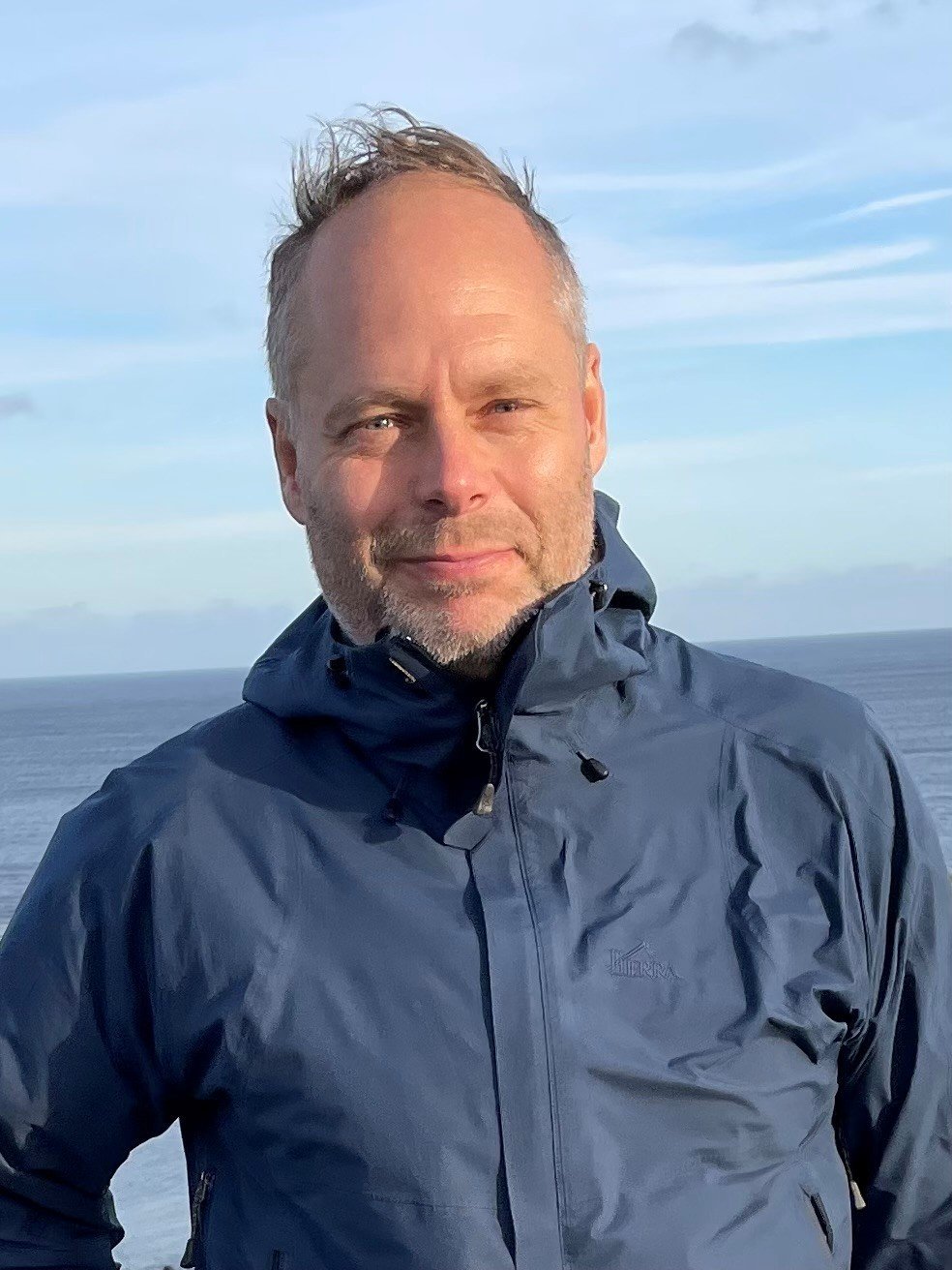
From October 26 to November 13, students at the University Centre of the Westfjords are taking part in the course Sustainable Local Economies, taught by Dr. Emil Sandström from the Swedish University of Agricultural Sciences (SLU).
The course explores the economic challenges and opportunities facing rural and remote communities in an increasingly globalized world. Particular attention is given to how communities can strengthen their local economies, diversify economic activities and build resilience in the face of social, environmental and economic change.
Throughout the three-week course, students examine different economic systems, development strategies and the role of institutions and governance in shaping local economies. Drawing on both traditional economic theories and innovative approaches, the course combines theoretical perspectives with practical examples of sustainable economic development.
An important part of the course is developing a critical understanding of the policies, tools and strategies that can support sustainable economic development in rural and remote regions, particularly in the Global North. Students are encouraged to consider how different approaches to economic development can contribute to more resilient and sustainable communities.
About the instructor
Dr. Emil Sandström is a Senior Lecturer in Rural Development and Associate Professor (Docent) at the Swedish University of Agricultural Sciences (SLU), where he has also received the Excellent Teacher distinction.
His research focuses on how communities organize around natural resources, manage competing interests and shape rural development. He is particularly interested in resource governance, collective action and alternative ways of organizing local economies. His work also explores how local initiatives and place-based practices can contribute to more sustainable ways of living and stronger rural communities.
The course provides students with an opportunity to critically examine the economic realities of rural and remote regions and explore how local communities can shape their own paths towards a more sustainable future.