
Two University Centre of the Westfjords students awarded Byggðastofnun grants for rural development master’s theses

Since 2015, Byggðastofnun has awarded grants to master’s students working on final thesis projects in the field of rural and regional development, with projects linked to Iceland’s Regional Development Plan considered an advantage.
At its meeting on 11 December 2025, the Board of Byggðastofnun decided to award grants to three master’s students completing thesis projects in rural development. The call for applications was published on 16 September 2025, and the application deadline was 10 November. Eligible projects must relate to the goals or actions of the Regional Development Plan. A total of 14 applications were received. The total funding awarded is ISK 1.2 million, with each grant amounting to ISK 400,000. The grants are financed through the Regional Development Plan.
In the most recent allocation, two of the three grants were awarded to students at the University Centre of the Westfjords, who are pursuing a Master’s degree in Coastal and Marine Management.
Coastal Fishing in Rural Iceland: Impacts of the strandveiðar system
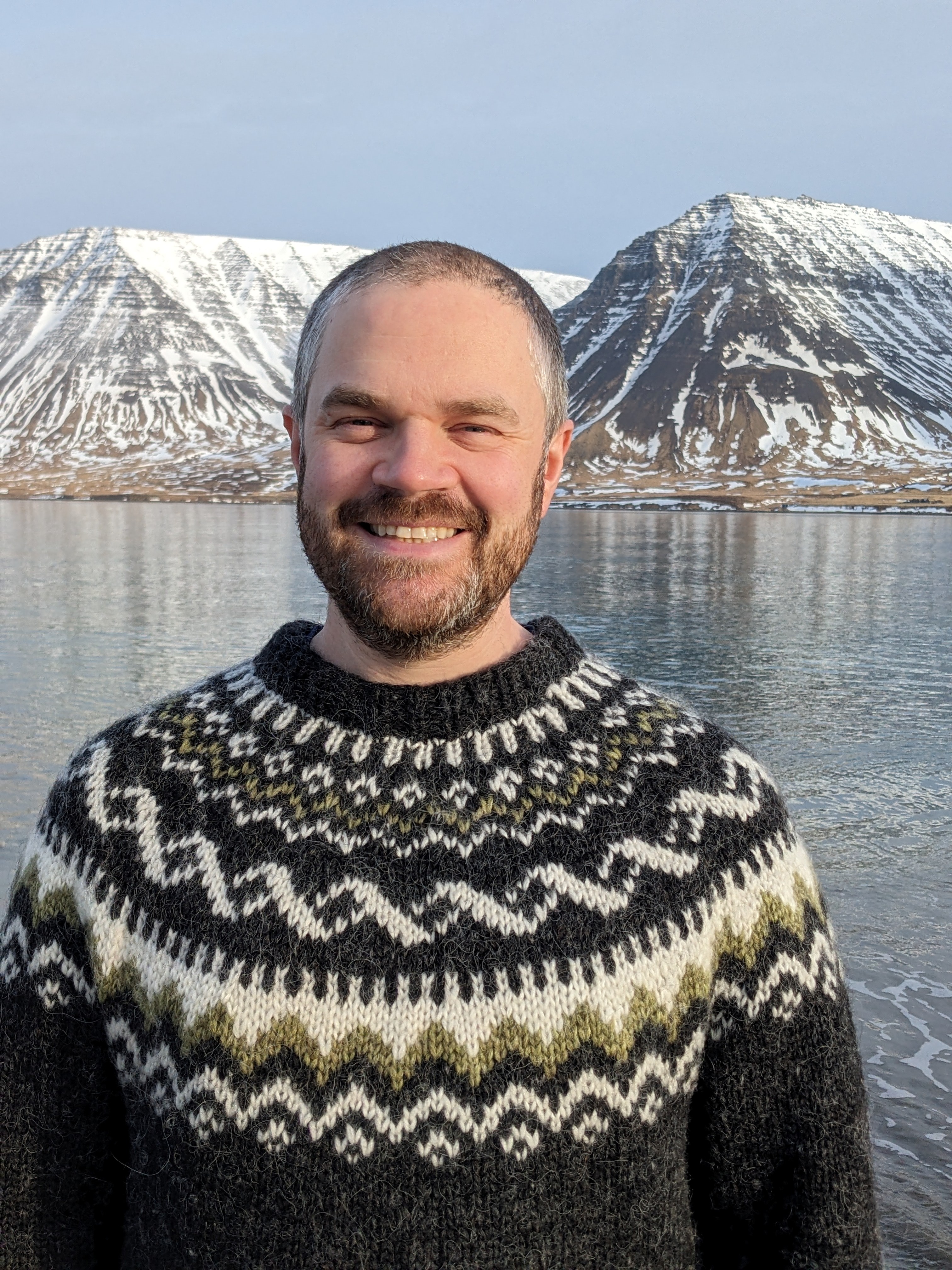 Grant recipient: Kevin Graham Wells, University Centre of the Westfjords
This project will assess the strandveiðar (coastal fishing) system, which was introduced in Iceland in 2009. Along with regional quotas (byggðakvótar), strandveiðar represent two of the most important reforms to Icelandic fisheries management since the quota system was introduced in the 1980s and 1990s.
The study will examine the impacts of strandveiðar on regional coastal communities since its introduction. Two methods will be used. First, the project will analyse official data from public sources to determine whether there is a correlation between the introduction of the strandveiðar system and subsequent changes to it, and demographic as well as socio-economic indicators. Second, an expert focus group will be used to develop shared feedback on views of the strandveiðar system through iterative questionnaires and feedback rounds.
Sustaining the rural: assessing socio-ecological resilience through farming in Iceland
 Grant recipient: Martina Aymonod, University Centre of the Westfjords
The project “Sustaining the rural: assessing socio-ecological resilience through farming in Iceland” will explore how farmers adapt to environmental, social, and economic challenges. It will also examine which factors strengthen or sustain farmers’ resilience and how they support their communities.
The findings will provide insight into how Iceland’s rural present and future can be strengthened, and will also support government policy and objectives aimed at increasing balance and promoting sustainability in regional and rural development.
Congratulations to our students!