
Coastal Communities Course Concludes with Hands-On Exploration of the Westfjords
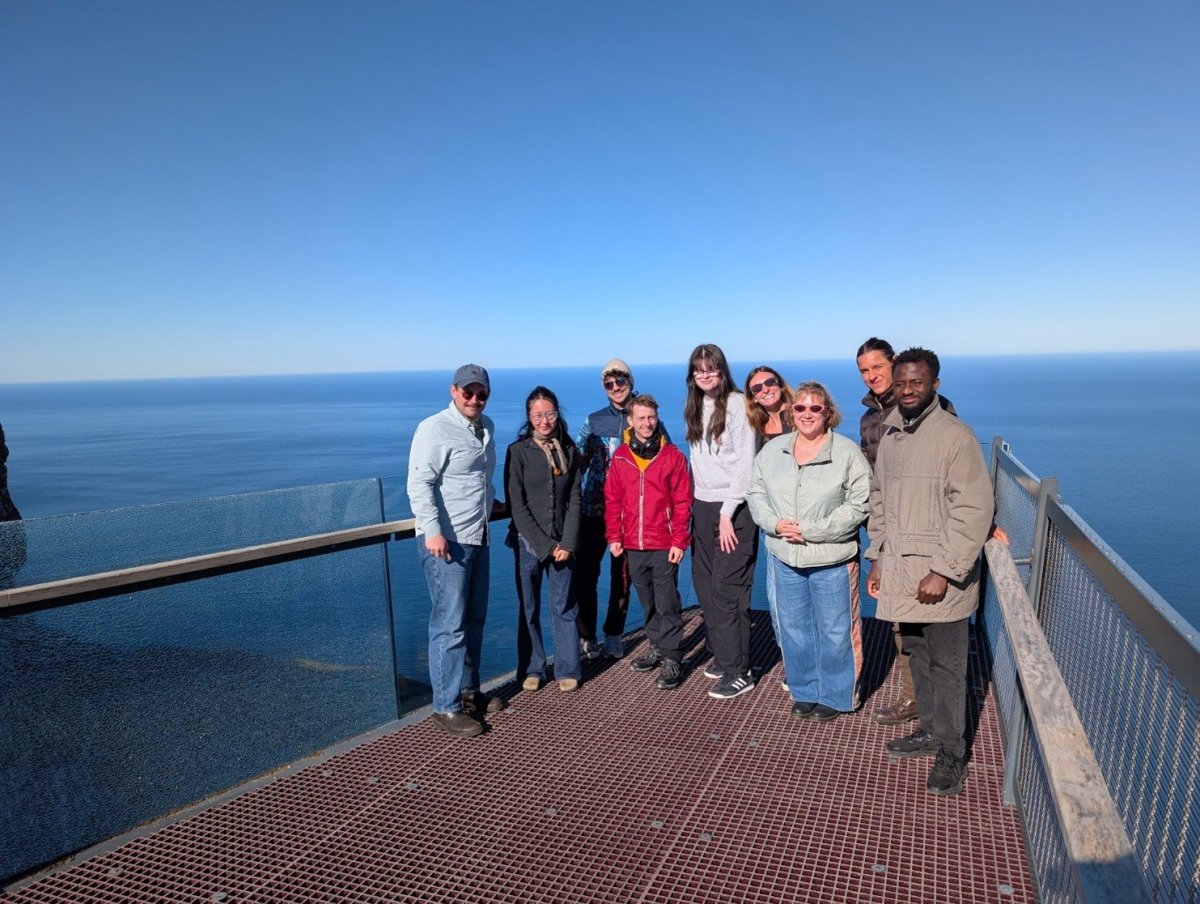
The University Centre of the Westfjords recently wrapped up its new core course in the regional development program, Foundations of Sustainable Coastal Communities. Using the Westfjords of Iceland as a primary case study, master’s students spent the intensive two-week session exploring the complex interconnections between a community's economic and political structures, its built infrastructure, and the surrounding environmental systems.
The course was co-taught by Gylfi Ólafsson, Mayor of Ísafjarðarbær, and R. Morgan Greene, the Academic Director of the Coastal Communities and Regional Development program. Together, they guided the cohort through the region's structural realities, covering history, politics, and economics, before diving into rural health systems, education, transportation infrastructure and the ongoing energy transition.
The curriculum leaned heavily on experiential learning, taking students out of the classroom to meet directly with practitioners and stakeholders navigating these challenges. To understand the baseline of the region's "hard infrastructure," students conducted field visits to Orkubú Vestfjarða with Elena Dís Víðisdóttir to discuss new investments into the heating system with the introduction of geothermal in Ísafjörður as well as new investments into the distribution system.
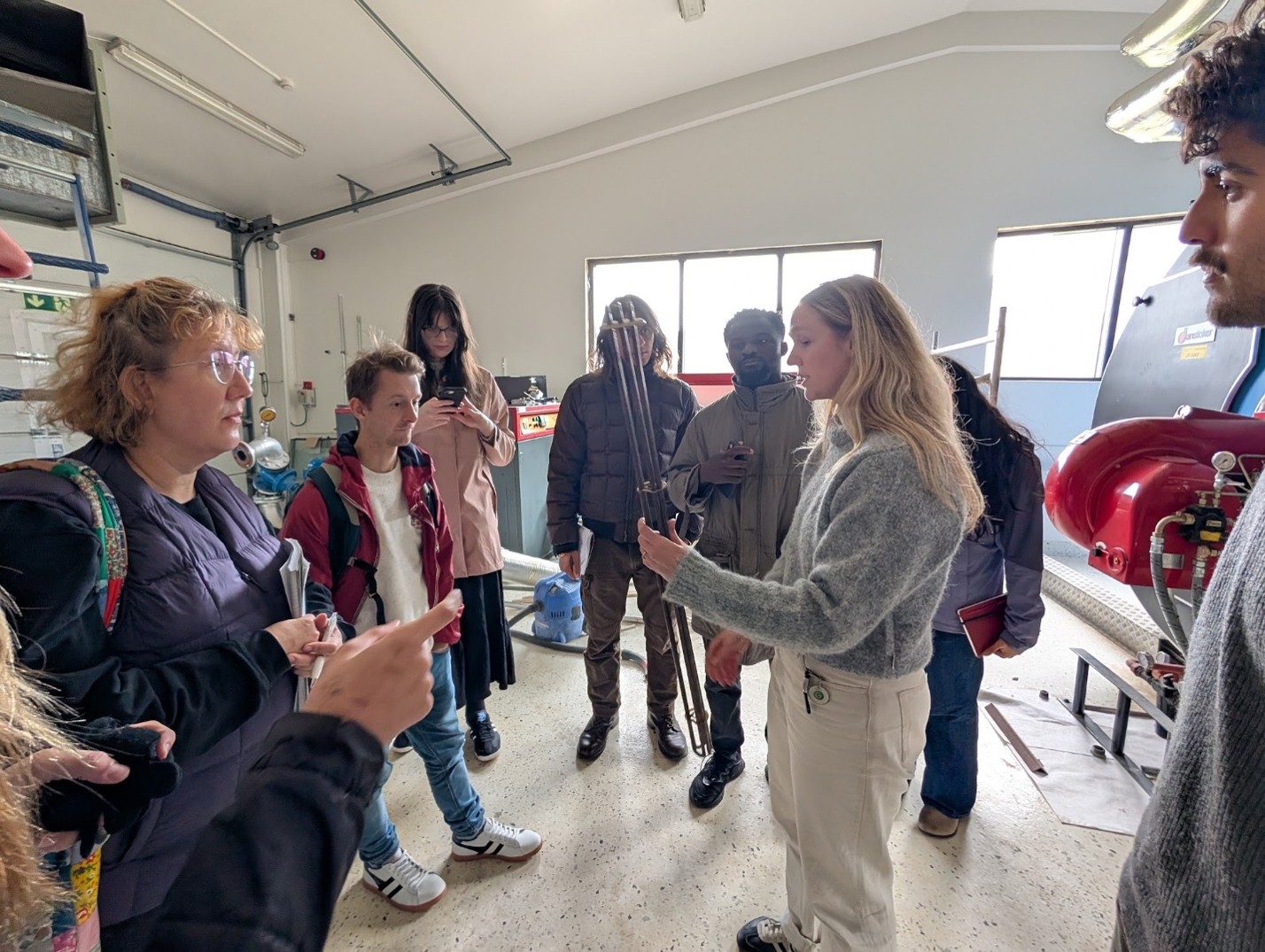
CRD students were introduced to the legacy systems and future heat pump system that will heat the communities of the Westfjords for the coming decades
Students later toured the Mjólká Power Plant, which acts as the central control point for all power infrastructure in the Westfjords, and analyzed regional transportation networks by traveling over Dynjandiheiði and inspecting local roads and tunnels.
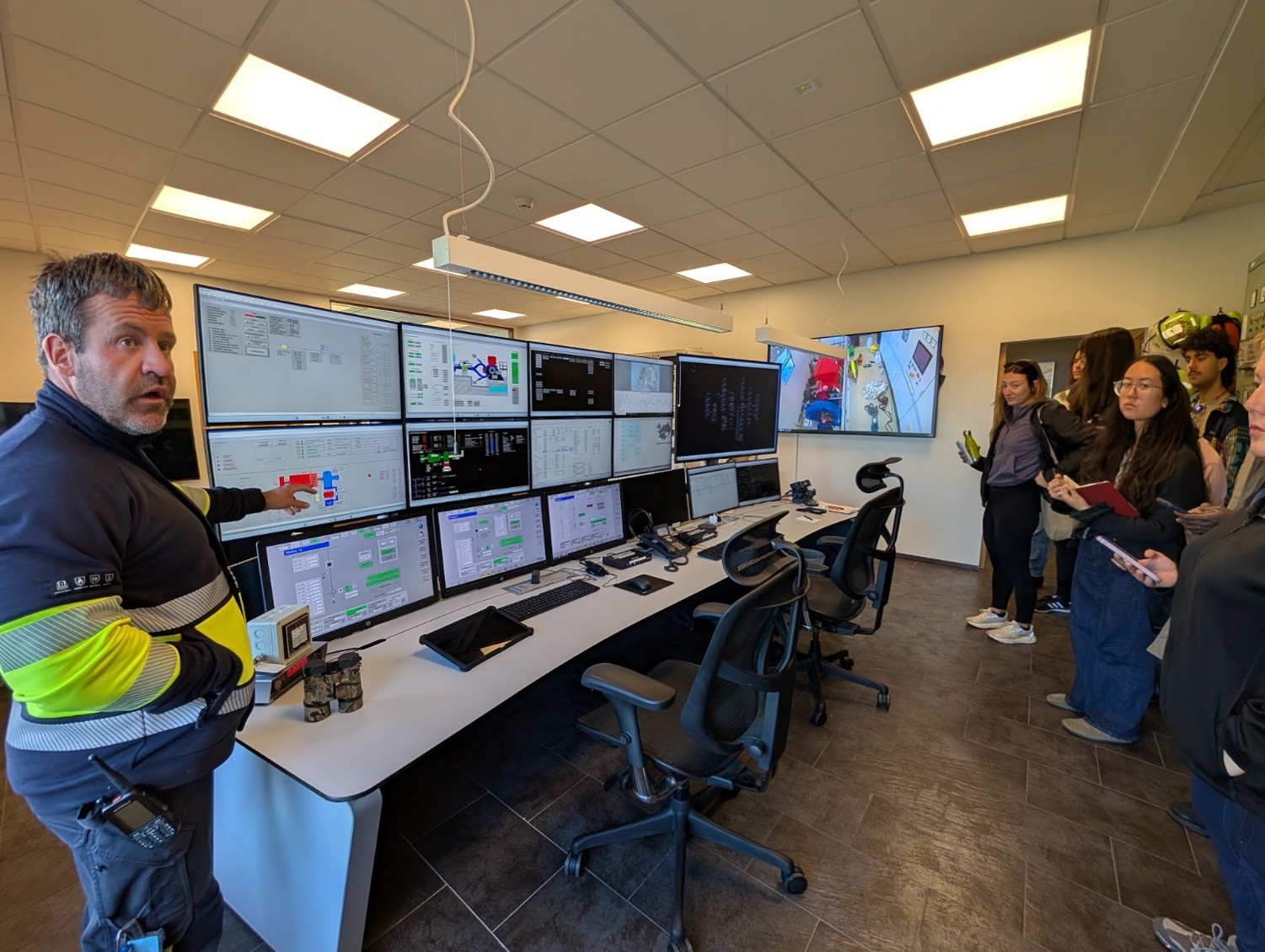
CRD students visiting the control room for the energy system of the Westfjords of Iceland and learning of the challenges of running a system in a remote, sub arctic area
Students also explored the diverse interests driving the modern economy and efforts to improve value creation with limited resources. The class visited aquaculture operations at Arctic Fish, and were introduced to the marine biotechnology innovations at Kerecis.
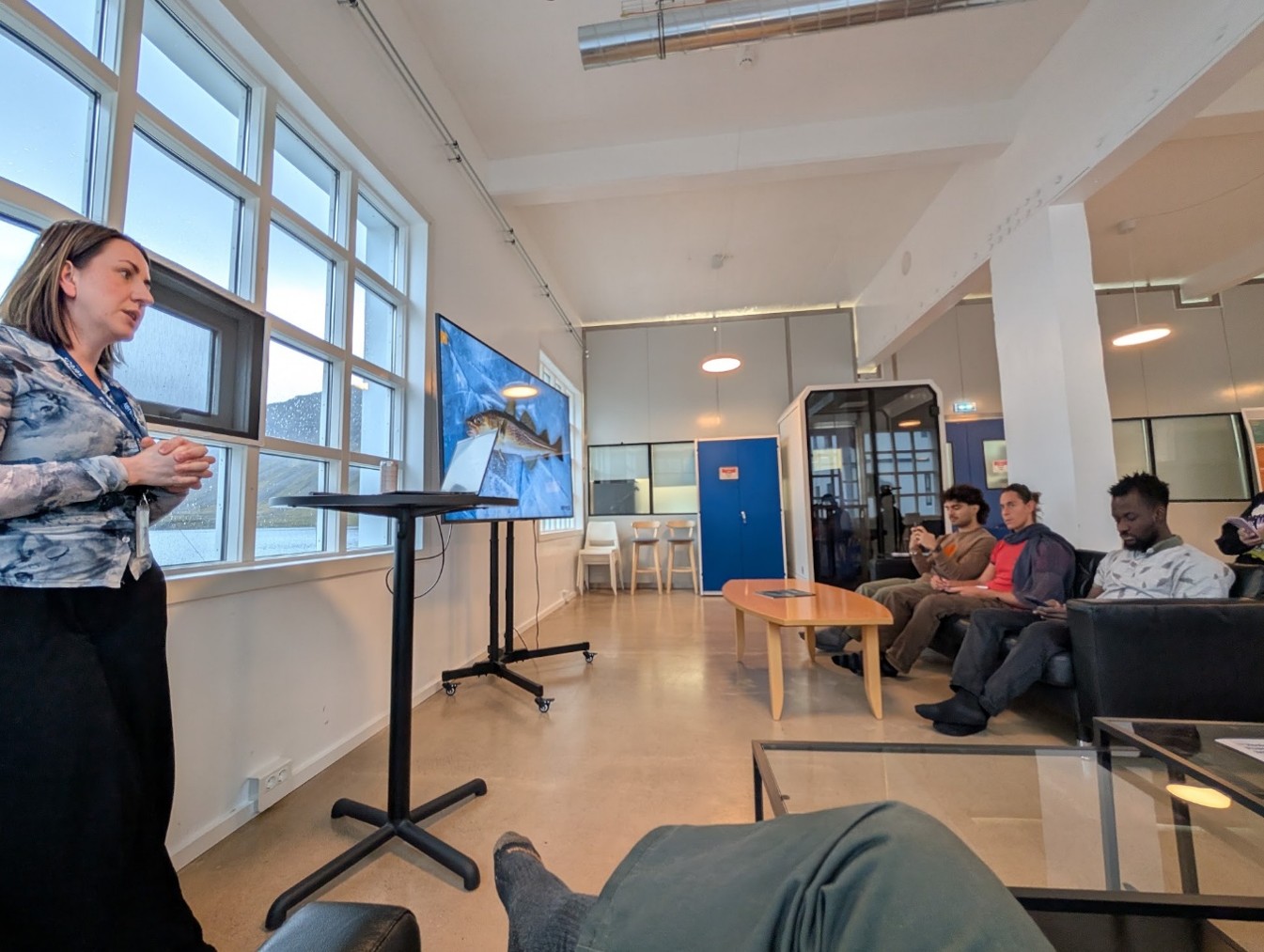
CRD students were hosted at Kerecis to understand the history and future of the company and to answer the question - why here and what does the future hold?
Specialized regional manufacturing was further highlighted during a visit to the Ískalk facility in Bíldudalur. Beyond observing the production process, the cohort engaged in a nuanced discussion about the facility's environmental impact and the complex push and pull between securing outside investment and driving modernization. This conversation provided critical context for understanding the company's pivotal role in shaping the modern economic history and resilience of Bíldudalur.
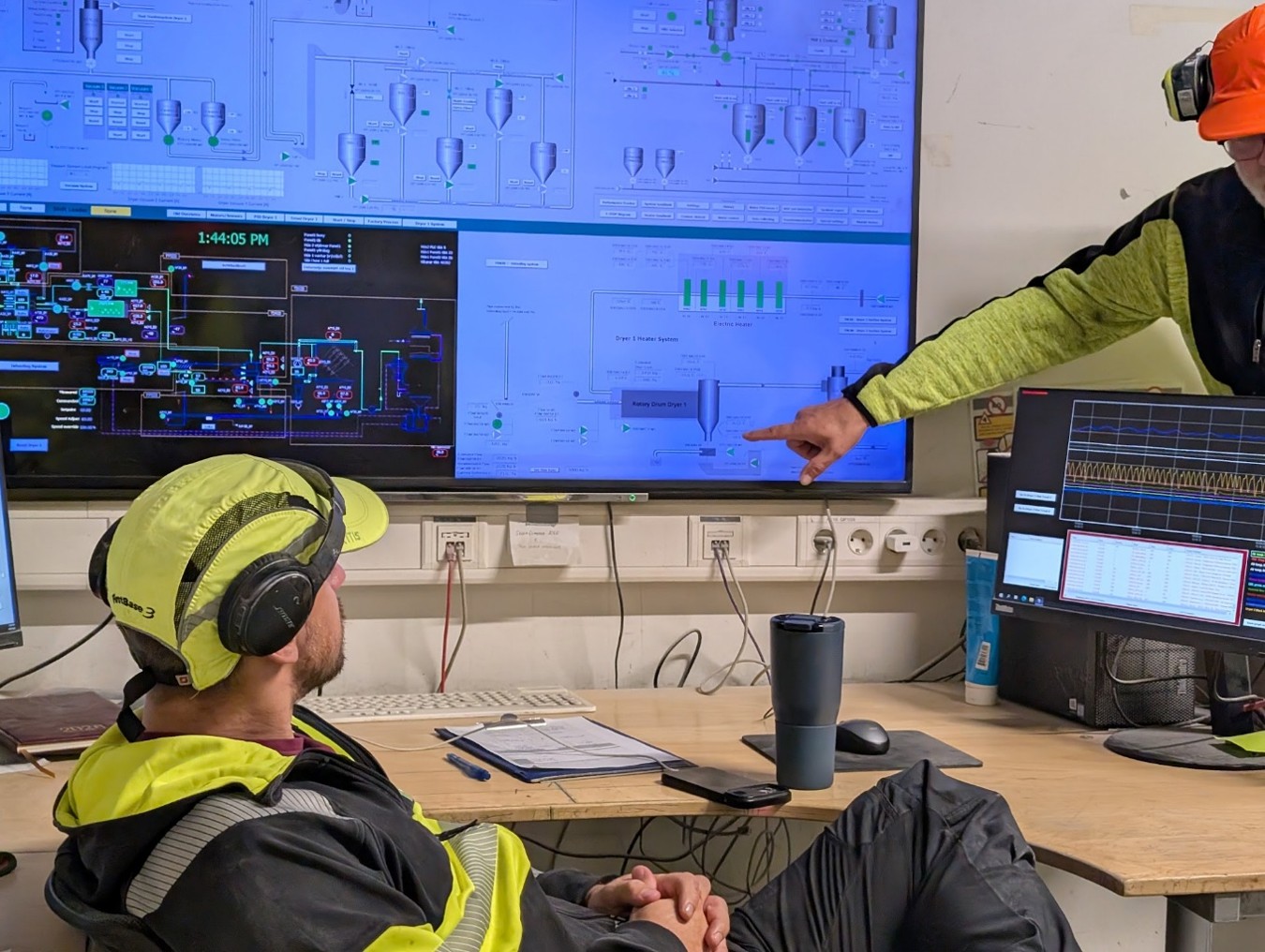
CRD Students learn of the challenges of running industrial systems with insecure energy systems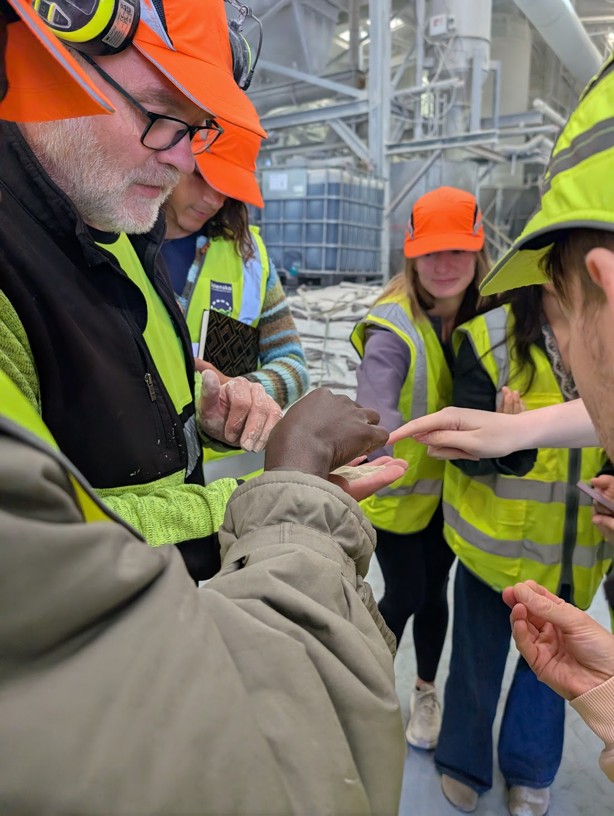
CRD students examine the final calcium supplement product that was made from calcified seaweed in Arnarfjörður
Through this blend of local governance perspectives and hands-on site visits, students gained a concrete understanding of why these northern regions are critically important. The cohort leaves equipped to present on primary infrastructure and economic challenges, ready to apply the lessons learned from the Westfjords development to sustainable coastal communities worldwide.