
Exploring Coastal Challenges Through Systems Thinking
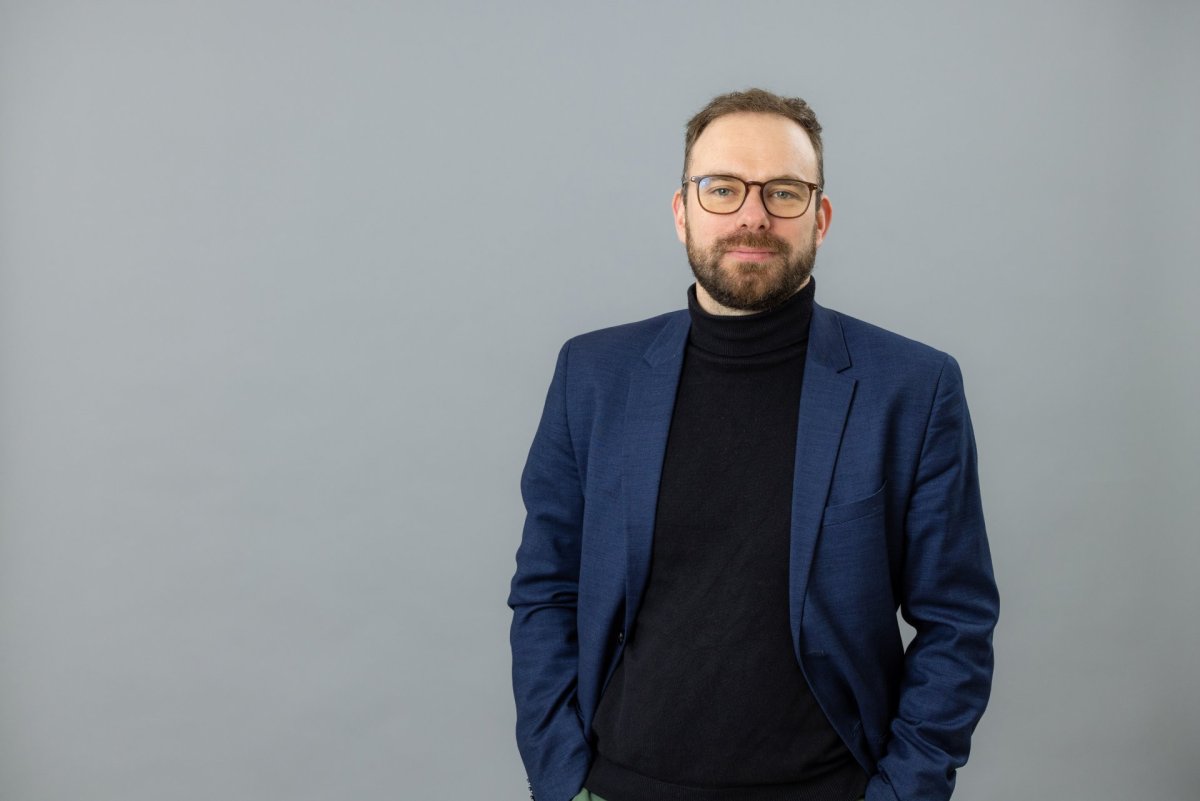
From September 14 to October 2, students in the Coastal Communities and Regional Development master’s program at the University Centre of the Westfjords took part in the course People and the Sea: Systems Thinking for Coastal Communities, taught by Dr. Eduard Nedelciu.
The course introduced systems thinking as a way of understanding the complex sustainability challenges facing coastal communities. These challenges can range from global issues such as climate change and ocean acidification to more local concerns, including biodiversity loss, energy security, connectivity in remote areas and gentrification.
Dr. Eduard Nedelciu has this to say about teaching the course at UW:
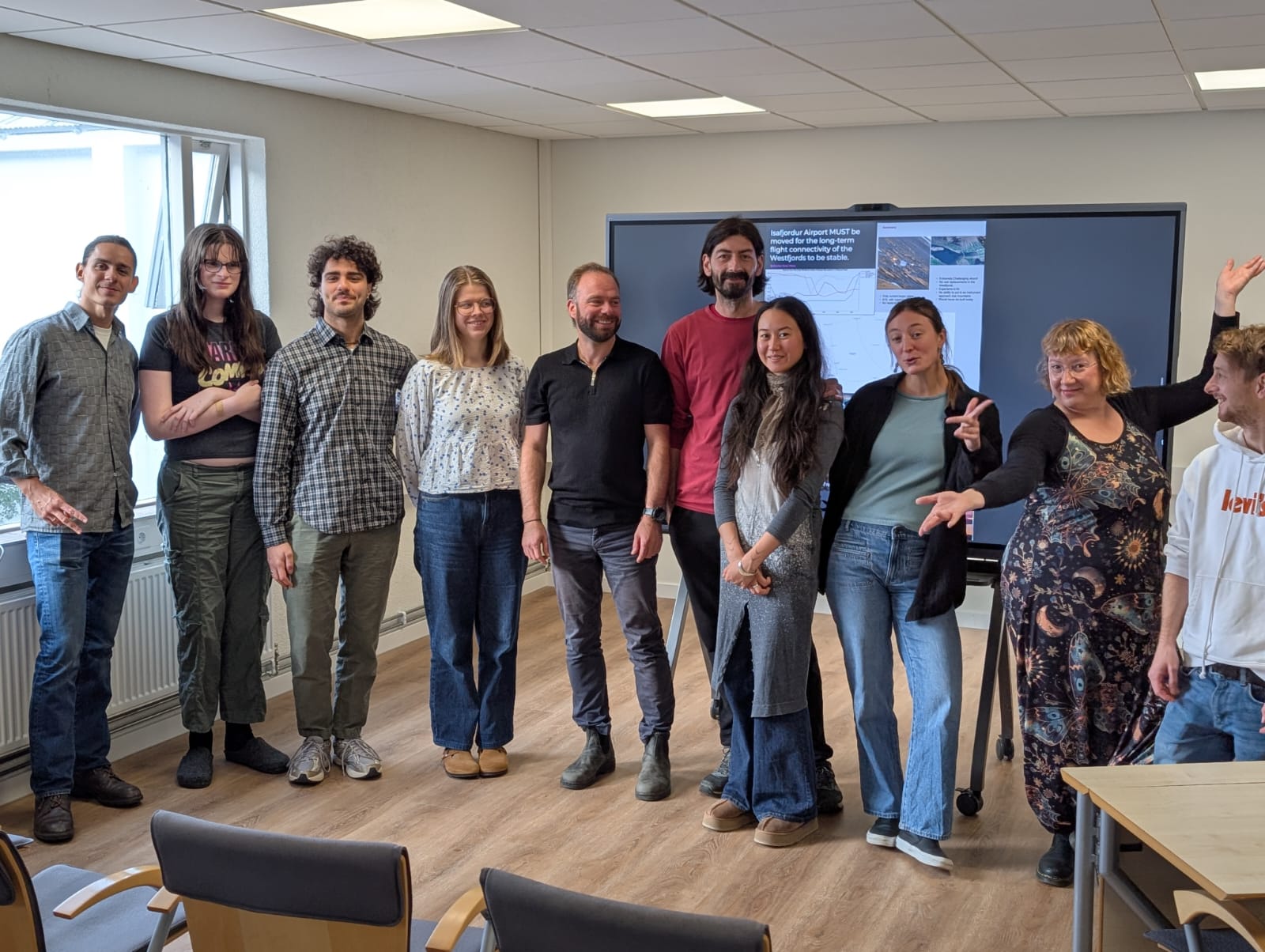 Rather than examining individual problems in isolation, systems thinking encourages students to look at the wider connections between social, environmental and economic factors. Through this approach, students explored how different parts of a system influence one another, how changes can have long-term and sometimes unintended consequences, and where intervention may have the greatest impact.
During the course, students became familiar with a range of systems thinking tools, including behaviour-over-time graphs, feedback loops, causal loop diagrams and leverage points. Field trips gave them opportunities to apply these methods to real-life situations in the Westfjords, while regional development challenges discussed in class provided further case studies for analysis.
Eduard particularly emphasizes the importance of the field trips:
The course strengthens students’ ability to analyse complex regional development issues from multiple perspectives and to distinguish between linear and systemic approaches to problem-solving. It also provides practical tools for exploring how coastal communities can respond to change in more resilient and adaptive ways.
Dr. Eduard Nedelciu holds a PhD in Environment and Natural Resources from the University of Iceland and Stockholm University. His research focuses on sustainable natural resource management and economic transitions in the context of sustainability transformations. He is currently an affiliated researcher with the System Dynamics Group at the University of Bergen. He also teaches systems thinking and system dynamics modelling at the University of Iceland.